
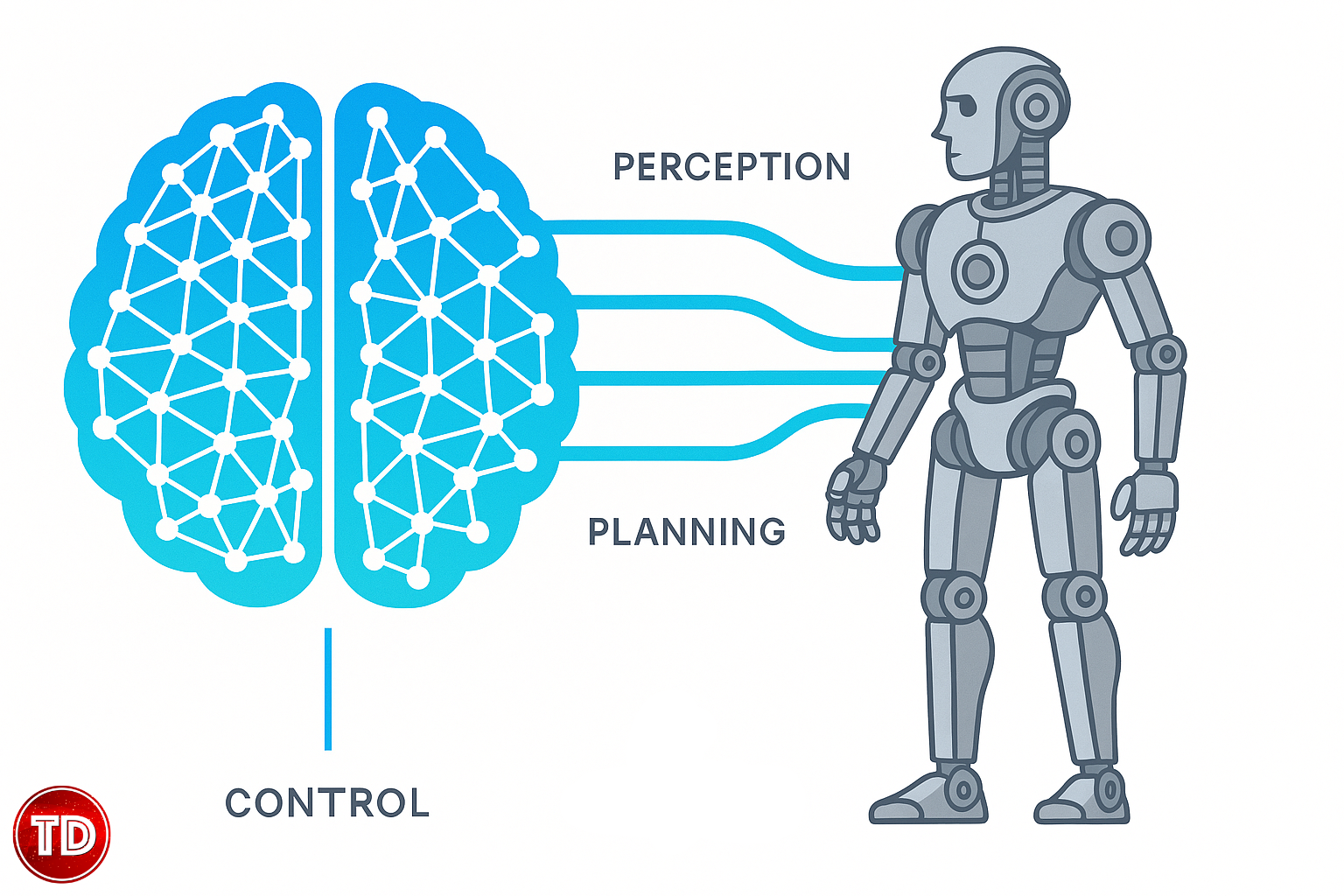
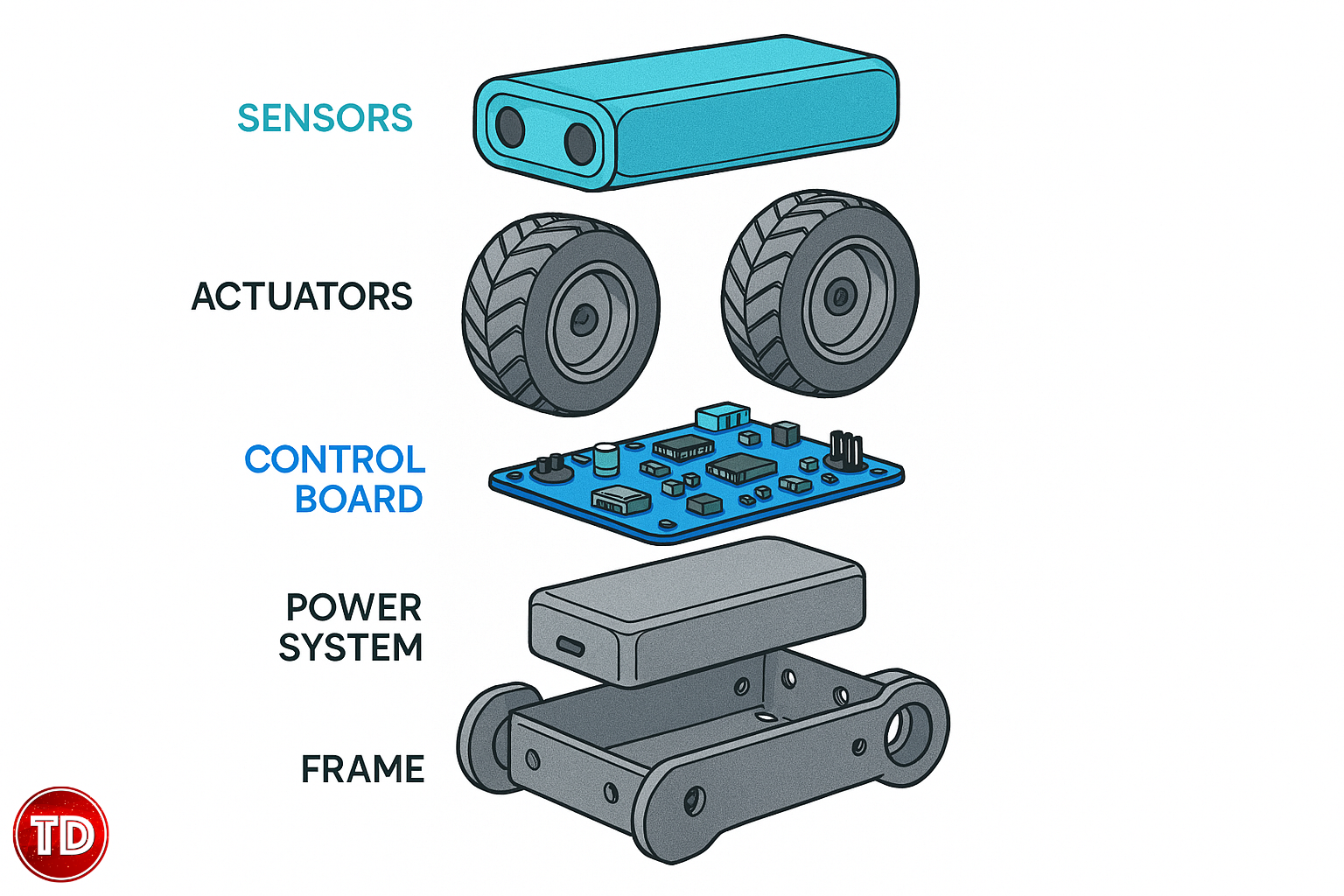
Many learners and engineers who focus on cloud and AI still think of intelligence as something that exists only in data centers or large language models. In 2026, a major shift is happening. AI is stepping out of the digital world and into the physical one. This is called Physical AI, also known as Embodied AI. It combines powerful foundation models with real-world robotics and mechatronic systems. For the first time, AI does not just think. It acts through hardware such as sensors, actuators, motors, and control systems. This article explores what Physical AI means in practice and why mechatronics plays a critical role in making it work. Physical AI is the fusion of advanced AI “brains” with reliable mechanical “bodies.” Traditional robotics usually follows strict, pre-programmed rules. Physical AI uses vision-language-action models, agentic reasoning, and simulation-to-real learning so systems can adapt to unpredictable real-world situations. Platforms and research initiatives from NVIDIA demonstrate how these models are being applied to real-world robotic systems through simulation and deployment pipelines. A useful way to understand this is through autonomous driving. Self-driving systems, such as those developed by Waymo, rely on multiple inputs including cameras, LiDAR, radar, GPS, and high-definition maps. No single sensor is reliable enough on its own, so the system continuously fuses data to build an accurate understanding of its environment. From there, the AI operates in stages: The most critical part comes after the decision. The system must execute actions such as steering, braking, and acceleration through real-world hardware. Even small errors in sensing or control can lead to failure. This highlights a key reality. Physical AI is not just about intelligence, but about reliable action in the real world. It is about reliable action in the real world. This year has seen strong momentum in Physical AI: Humanoid robots and advanced collaborative robots are beginning to handle more complex and unstructured tasks in manufacturing and logistics. Tasks that once required rigid programming are becoming more adaptive through learning-based systems. Industry reports and recent developments point to increasing investment and real-world experimentation in Physical AI systems. However, most deployments remain in controlled environments. This suggests that while AI models are advancing rapidly, real-world reliability is still a major constraint. Industry coverage, including reports from Manufacturing Dive, suggests that while interest is high, large-scale deployment timelines remain gradual due to technical and operational challenges. A common misconception is that better AI models alone will solve robotics. In reality, the biggest limitation is often the physical system itself. AI can decide what action to take, but mechatronics determines whether that action can be executed safely and precisely. For example, even with perfect object recognition, a robot without proper force control may fail to grasp an object correctly or may damage it. Mechatronics provides the foundation for Physical AI systems: Research such as the MDPI study on integrating AI into mechatronics, along with industry analysis from Deloitte, highlights how combining AI with strong hardware design significantly improves system autonomy and reliability. This is why even highly advanced systems like autonomous vehicles require years of testing and validation. The challenge is not just intelligence. It is ensuring consistent and safe execution in unpredictable environments. Here is a curated list of high-quality resources: These resources go beyond hype and provide deeper technical context. Physical AI still faces real hurdles: A broader analysis from Center for Security and Emerging Technology also emphasizes challenges related to safety, deployment constraints, and supply chain limitations in Physical AI systems. One key realization is that progress is not limited only by AI models, but by the difficulty of making systems safe, reliable, and economically viable. If you are coming from a cloud or software background, here is a practical approach: You do not need physical hardware to begin. Simulation environments already provide valuable exposure to how Physical AI systems behave. Tools and resources from NVIDIA and simulation platforms such as Altair provide accessible environments for experimenting with Physical AI concepts without requiring physical hardware. Physical AI represents the next evolution of intelligent systems. AI models are now interacting directly with the real world through engineered systems. Autonomous vehicles, robotics, and industrial automation all show the same pattern. Intelligence alone is not enough. Systems must also act reliably, safely, and efficiently in physical environments. For engineers and learners, this creates a growing need for hybrid skills that combine AI understanding with mechatronics fundamentals. The future of AI is no longer confined to the cloud. It is increasingly embedded in the physical world. Those who can bridge the gap between intelligent software and real-world systems will be well positioned in the coming years. National Robotics Week: Latest Physical AI research, breakthroughs and resources How Physical AI is reshaping robotics today Tech Trends 2026: AI goes physical, navigating the convergence of AI and robotics Physical AI: A primer for policymakers Integrating artificial intelligence into mechatronics: Enhancing autonomy and efficiency 20 Physical AI companies to watch in 2026 The physical AI craze and other automation trends to watch in 2026 PhysicsAI tutorials and simulation resources Building end-to-end Physical AI systems for humanoid robots
What Is Physical AI?
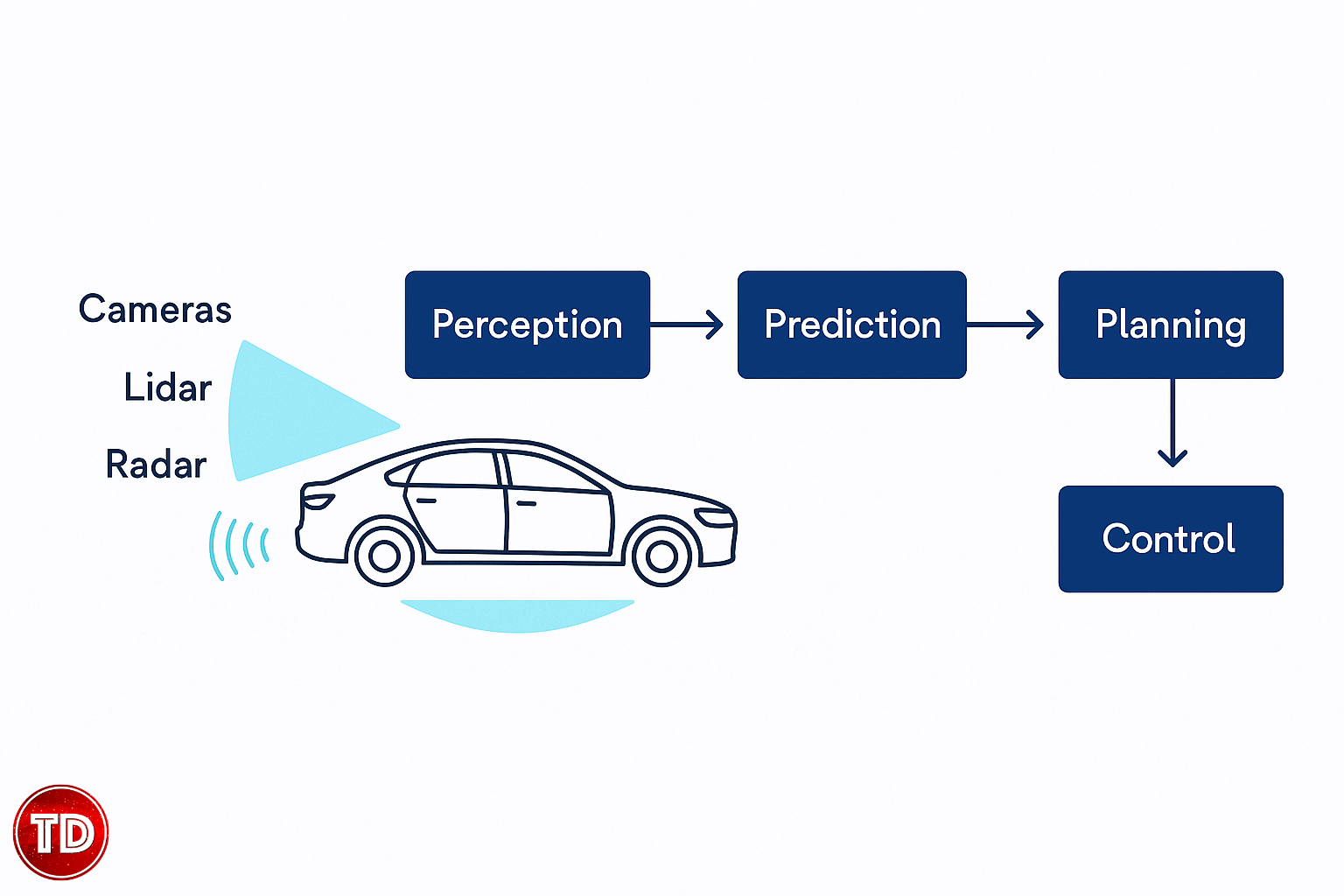
Why 2026 Feels Like an Inflection Point

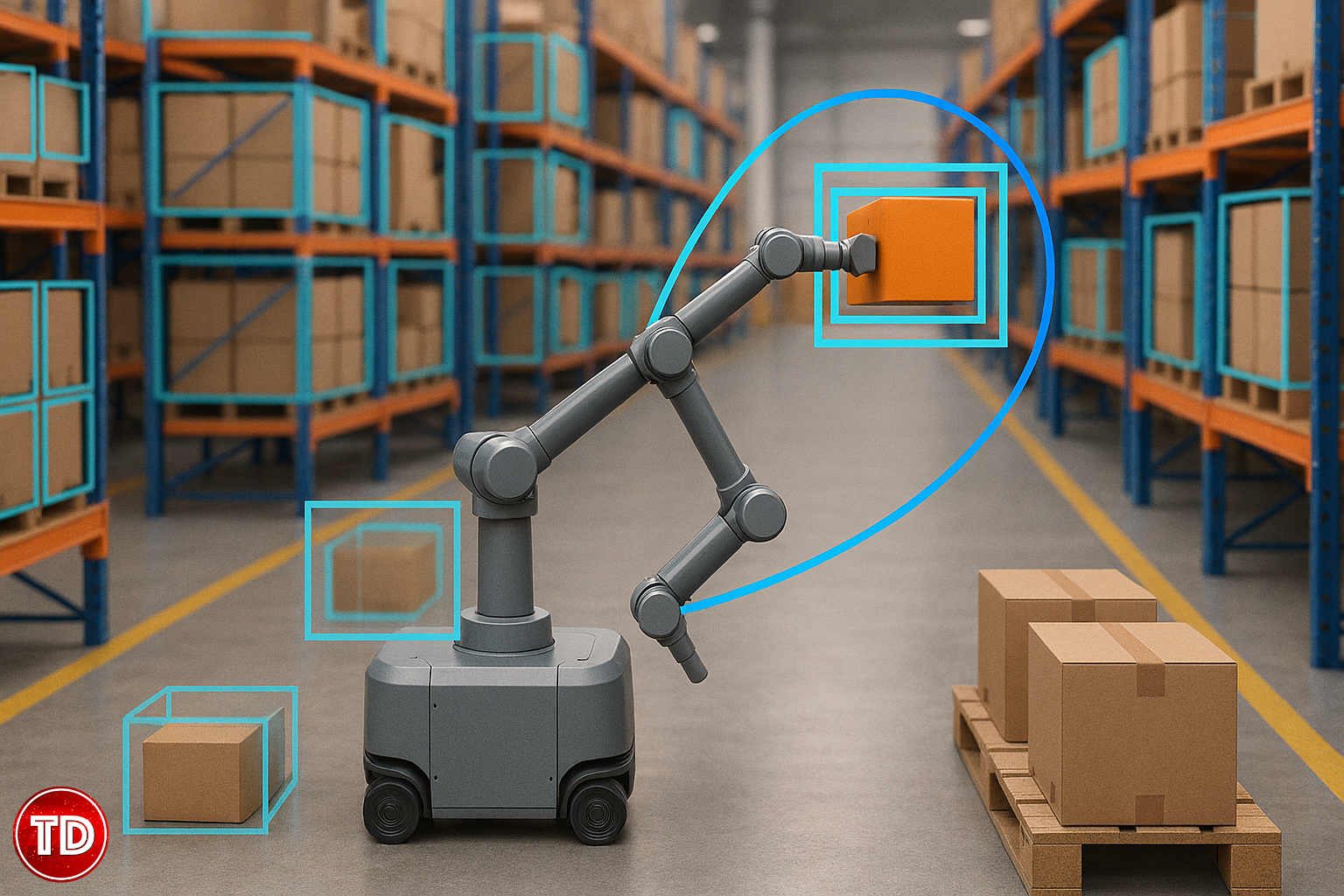
Why Mechatronics Matters More Than Ever
Key Resources to Explore in 2026
Top Articles and Reports
Must-Watch Videos
Technical and Mechatronics Resources
Challenges Learners Should Know

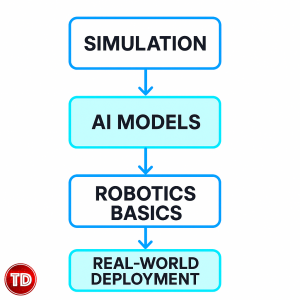
Getting Started as a Learner
Final Thoughts
References:
🚀 30% OFF All Azure Reviewers

Turn Your Team Into Cloud-Ready Professionals Today

Learn AWS with our PlayCloud Hands-On Labs

$2.99 AWS and Azure Exam Study Guide eBooks

Learn GCP By Doing! Try Our GCP PlayCloud

Learn Azure with our Azure PlayCloud
FREE AI and AWS Digital Courses

FREE AWS, Azure, GCP Practice Test Samplers


Subscribe to our YouTube Channel

Follow Us On Linkedin


Written by: Jose Zyruse Navarez