
When I first started learning tech, I genuinely thought the only thing that mattered was stacking skills. I kept chasing tutorials, certifications, and whatever tool people said was “in demand,” because it felt like the safest way to grow. But the biggest turning point in my journey happened when I started building tech projects that people could actually open, test, and explore. That shift changed everything, because suddenly I wasn’t just saying what I could do, I had proof. As a student, that difference matters more than people realize. We don’t always have years of experience, internships, or long resumes yet, so the easiest way to stand out is by showing real work. A portfolio gives your learning a place to live. It turns effort into something visible, and in tech, visibility often creates opportunities faster than credentials alone. There’s a huge difference between saying you know Python, React, or UI/UX and showing someone a real system you built with those tools. A portfolio bridges that gap between potential and proof. It transforms your skills from abstract claims into something tangible that recruiters, founders, mentors, and collaborators can immediately understand. I started noticing this in my own journey when opportunities became easier to access. Instead of conversations staying at “What can you do?”, they shifted to “How did you build this?” or “Walk me through your thought process.” That’s a completely different kind of conversation, and it immediately puts you in a stronger position. The truth is, people trust visible work faster than self-description. When they can see your GitHub, click through your interface, or explore your case study, they no longer need to imagine your potential, they can see it. This became real for me when I started getting into spaces like Tutorials Dojo and other opportunities that I honestly don’t think would have happened if I only had skills listed on paper. What made the difference was having something to show. My projects gave people context around how I think, how I solve problems, and how I turn ideas into something usable. As a student, that was huge. I didn’t need to wait for someone to “give” me experience first. My portfolio became the experience. Every project, whether it was a UI concept, a SaaS idea, or a technical build, became proof that I could execute and not just learn. That’s why I always say projects accelerate trust. The moment people can see real work, they immediately understand your level far faster than a generic resume ever could. This idea hit even harder after hearing Jon Bonso, Co-Founder and CEO of Tutorials Dojo, talk about what actually gets people hired today. In his recent Facebook Reel and Tutorials Dojo career discussion, What Makes You Hired in 2026, he said: “Having to show good GitHub projects speaks volumes more than a 30 minute interview.” That line stayed with me because it perfectly matched what I was already experiencing. Interviews are short. They only capture how well you explain yourself in a moment. But projects tell a deeper story. They show your problem-solving, your creativity, your structure, your taste in design, and even how you think through edge cases. As someone who has benefited from having visible projects, I can honestly say this quote is true. Some of my best opportunities didn’t come from perfect interviews—they came from having something people could open and immediately respect. Another reason portfolios change everything is that they force you to learn differently. Tutorials are great for exposure, but projects force decisions. Once you start building something real, you stop passively following instructions and start actively solving problems. This is where confidence actually starts. You begin debugging your own logic, making design trade-offs, thinking about users, and handling edge cases you never expected. Those messy moments are where the real growth happens. Some of the most important things I learned didn’t come from structured lessons. They came from struggling through projects that didn’t work the first time. That friction taught me how to think, and over time, that thinking became more valuable than the syntax itself. The best portfolios do more than showcase random work, they tell a story about what kind of builder you are becoming. Over time, people start associating you with the kind of problems you consistently solve. Maybe it’s product design, AI systems, cloud architecture, or startup tools. Your portfolio becomes your signal. For me, it became the clearest reflection of how I evolved from just learning tech to actually building with it. It reminded me that growth in tech is not only about what you know, but what you are willing to make visible. Sometimes, the project you almost didn’t publish becomes the exact reason someone reaches out. Having a portfolio with real projects changes everything because it transforms learning into visible proof. It creates trust faster, builds confidence through real problem-solving, and opens opportunities before traditional experience does. In my own journey, many of the best opportunities—from Tutorials Dojo to other major spaces, came because I had tech projects that people could actually see. In a world where many people are learning the same tools, the ones who stand out are usually the ones willing to show their work.
Skills Only Matter When You Can Show Them
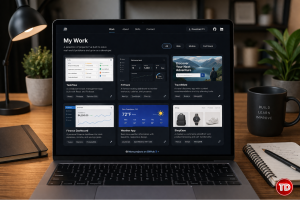
My Portfolio Opened Doors Before My Resume Did

The CEO Advice That Made This Even More Real
A Portfolio Changes the Way You Learn
Your Portfolio Becomes Your Identity
Conclusion
References

🤖 $3.74 ONLY for Claude eBooks and Get 25% OFF All Claude Reviewers

Turn Your Team Into Cloud-Ready Professionals Today

Learn AWS with our PlayCloud Hands-On Labs

$2.99 AWS and Azure Exam Study Guide eBooks

Learn GCP By Doing! Try Our GCP PlayCloud

Learn Azure with our Azure PlayCloud

FREE AI and AWS Digital Courses

FREE AWS, Azure, GCP Practice Test Samplers


Subscribe to our YouTube Channel

Follow Us On Linkedin
Written by: Ian Vergara