
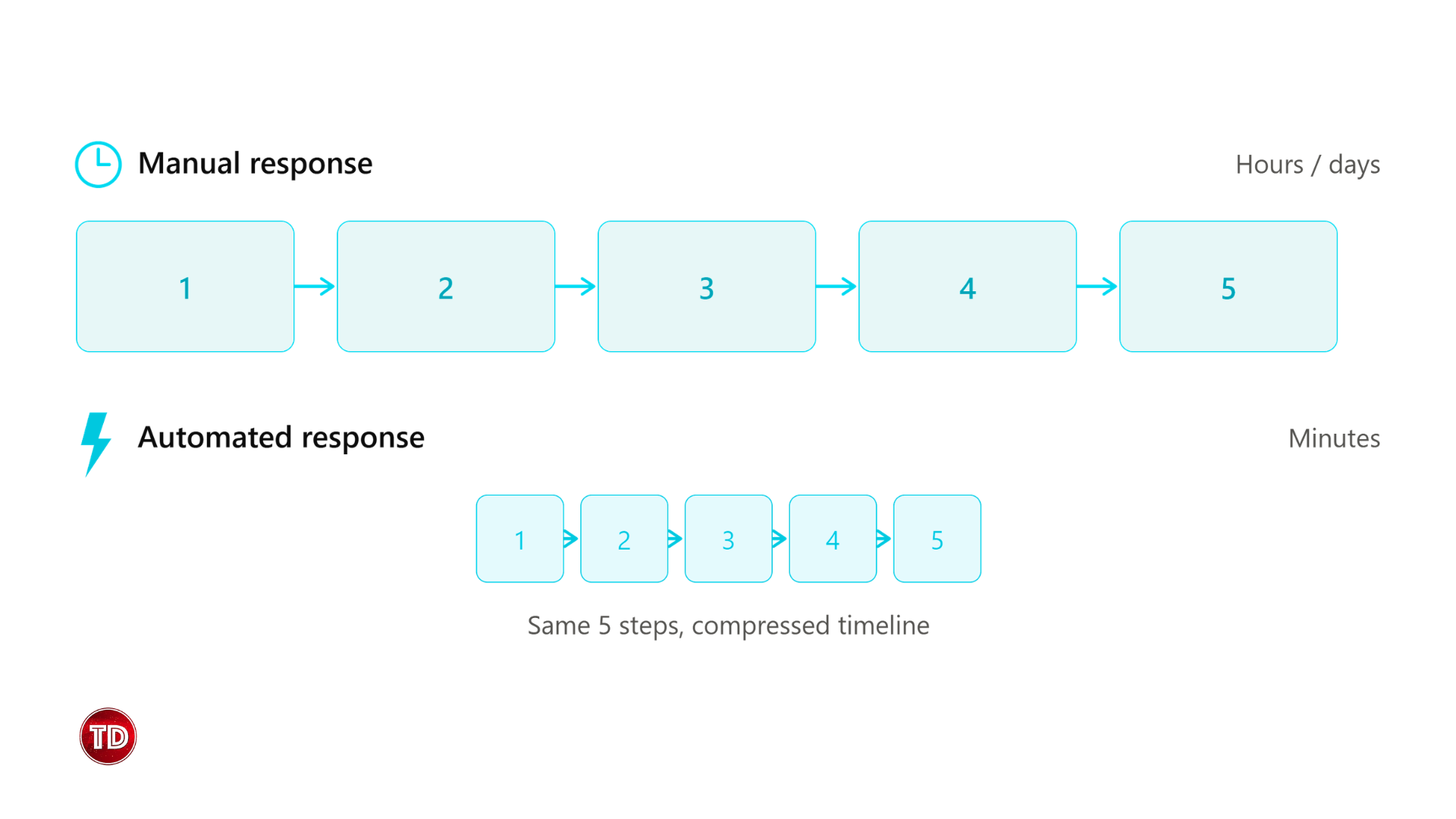
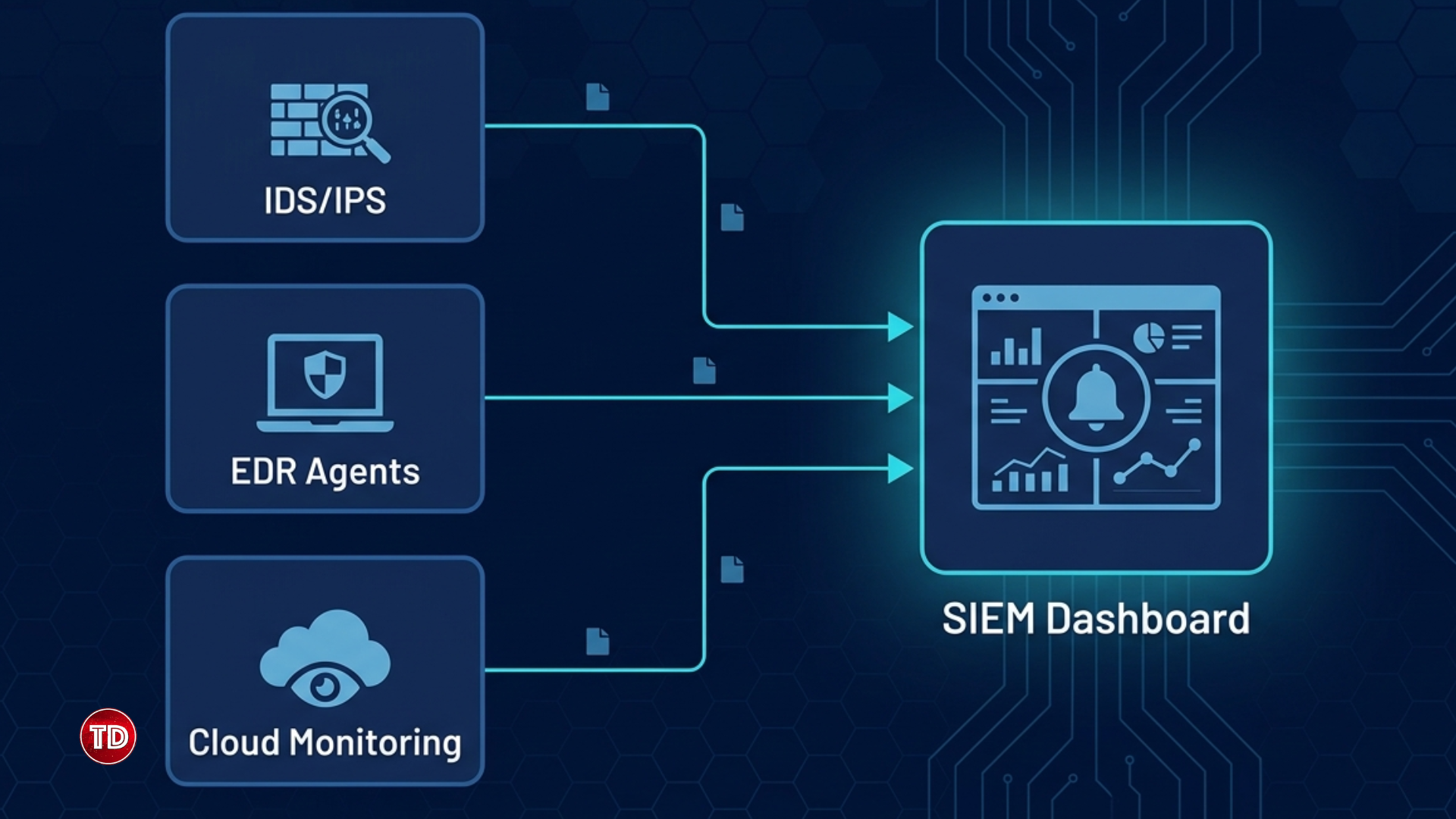
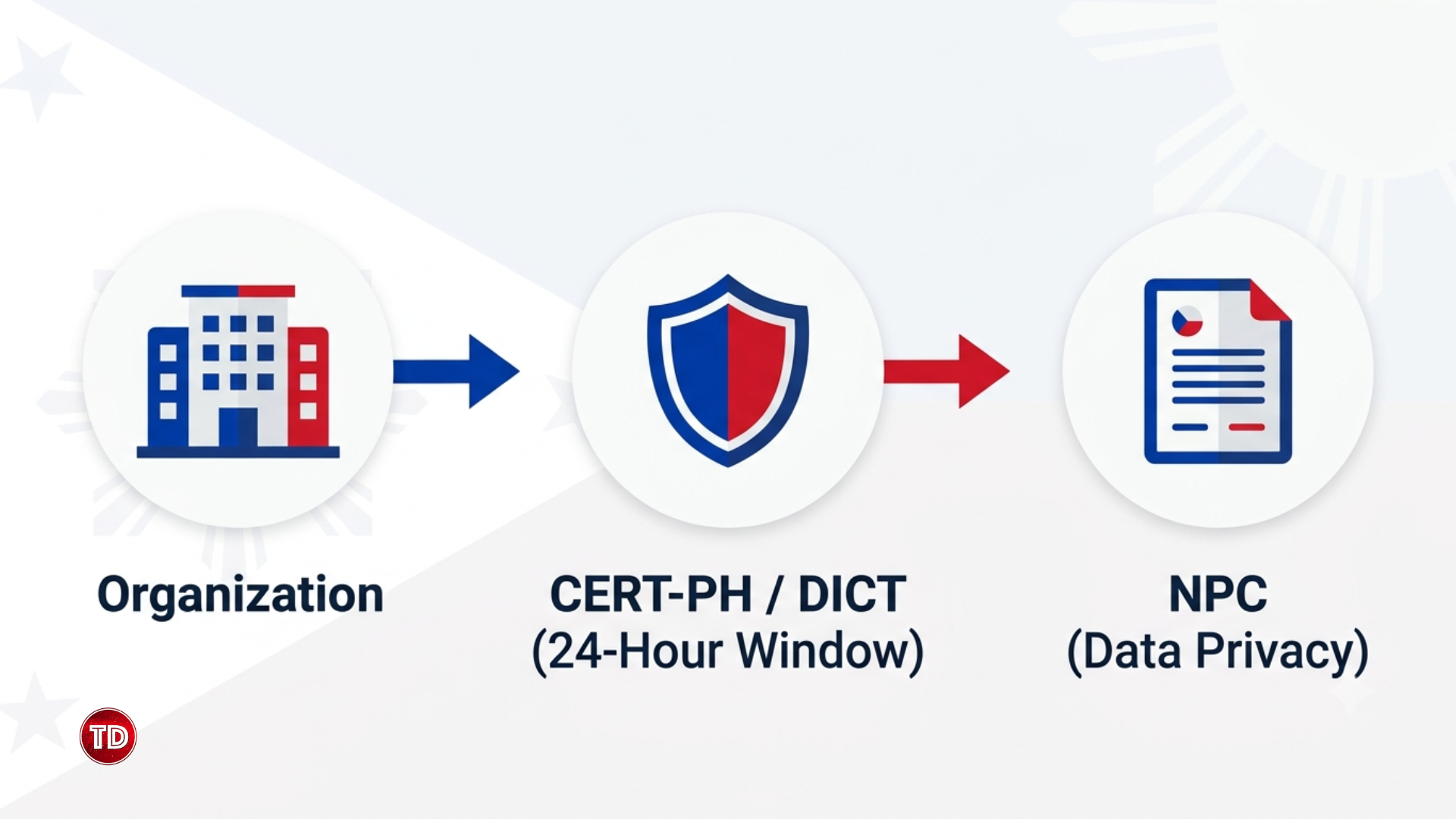
In June 2026, nineteen Philippine government websites, including those of the Senate, the House of Representatives, and the National Bureau of Investigation, were defaced within a single week by a hacktivist group calling itself “Nullsec Philippines.” By the time the Department of Information and Communications Technology (DICT) issued its statement, the damage was already done and the story was already spreading. This is the reality of modern cybersecurity: attackers move in minutes, but most organizations still respond in hours, or days. Manual incident response, a security analyst spotting an anomaly, escalating it through email or chat, waiting for approval, then manually applying a fix, was built for a slower, less hostile internet. It cannot keep pace with attackers today. The answer is automation: Automatic Incident Reporting and Remediation Systems (AIRRS) that detect threats, generate compliant reports, and apply corrective action with minimal human delay. In this article, readers will learn: The Philippines already has a formal incident reporting structure. DICT’s Cybersecurity Bureau operates the National Computer Emergency Response Team (CERT-PH), which receives, reviews, and responds to cybersecurity incident reports from government, sectoral, and private CERTs nationwide. Critical infrastructure institutions are required to report cybersecurity incidents to DICT within 24 hours of detection, and under National Privacy Commission (NPC) Circular No. 16-03, organizations handling personal data must maintain a documented security incident management policy, including a designated data breach response team. On paper, 24 hours sounds like a comfortable window. In practice, it rarely is. A manual process requires a human to detect the intrusion, verify it isn’t a false alarm, gather technical evidence, draft a report that satisfies regulatory requirements, and route it to the correct authority, all while the organization is also trying to contain an active breach. Every one of those steps introduces delay, and delay is exactly what attackers count on. The 2022 CERT-PH incident data already shows government agencies bearing the largest share of reported incidents, a sign that the sector most bound by reporting obligations is also among the most exposed. Speed, not just compliance on paper, is what determines whether an incident becomes a footnote or a headline. Moving from manual to automated incident response does not require building everything from scratch. Below is a practical, phased implementation guide. Before automating, measure the baseline. Track: This audit usually reveals the real bottleneck, and it is rarely detected. It is almost always the human hand-off points between detection, reporting, and action. Automation needs reliable, continuous input. Core building blocks include: This layer converts raw alerts into structured, submission-ready reports in real time. Key components: Start conservative and expand automation as confidence in the system grows. Common remediation actions include: Most organizations begin with “recommend and confirm” automation, where the system proposes an action for human approval, then graduate to fully autonomous remediation for low-risk, high-confidence scenarios only. For the system to hold up under compliance review, configure it to: Run tabletop exercises and red team/blue team drills to confirm the system correctly detects, reports, and remediates simulated incidents end to end. Use these drills to tune detection thresholds, since excessive false positives are the most common reason organizations quietly disable automation after launch. Automation is not a one-time deployment. Build a recurring review cycle to: Attackers no longer wait for business hours, and neither can incident response. The June 2026 defacement of nineteen Philippine government websites in under a week is a clear signal: manual, human-paced response cannot reliably meet the country’s own 24-hour reporting requirements, let alone stop damage before it spreads. Automated Incident Reporting and Remediation Systems close that gap by compressing detection-to-report time from hours to minutes and applying containment actions before a human even opens their inbox. Key takeaways: References
Why Manual Response Falls Behind
Implementation Steps
Step 1: Audit Your Current Response Time

Step 2: Deploy Detection and Monitoring Tools
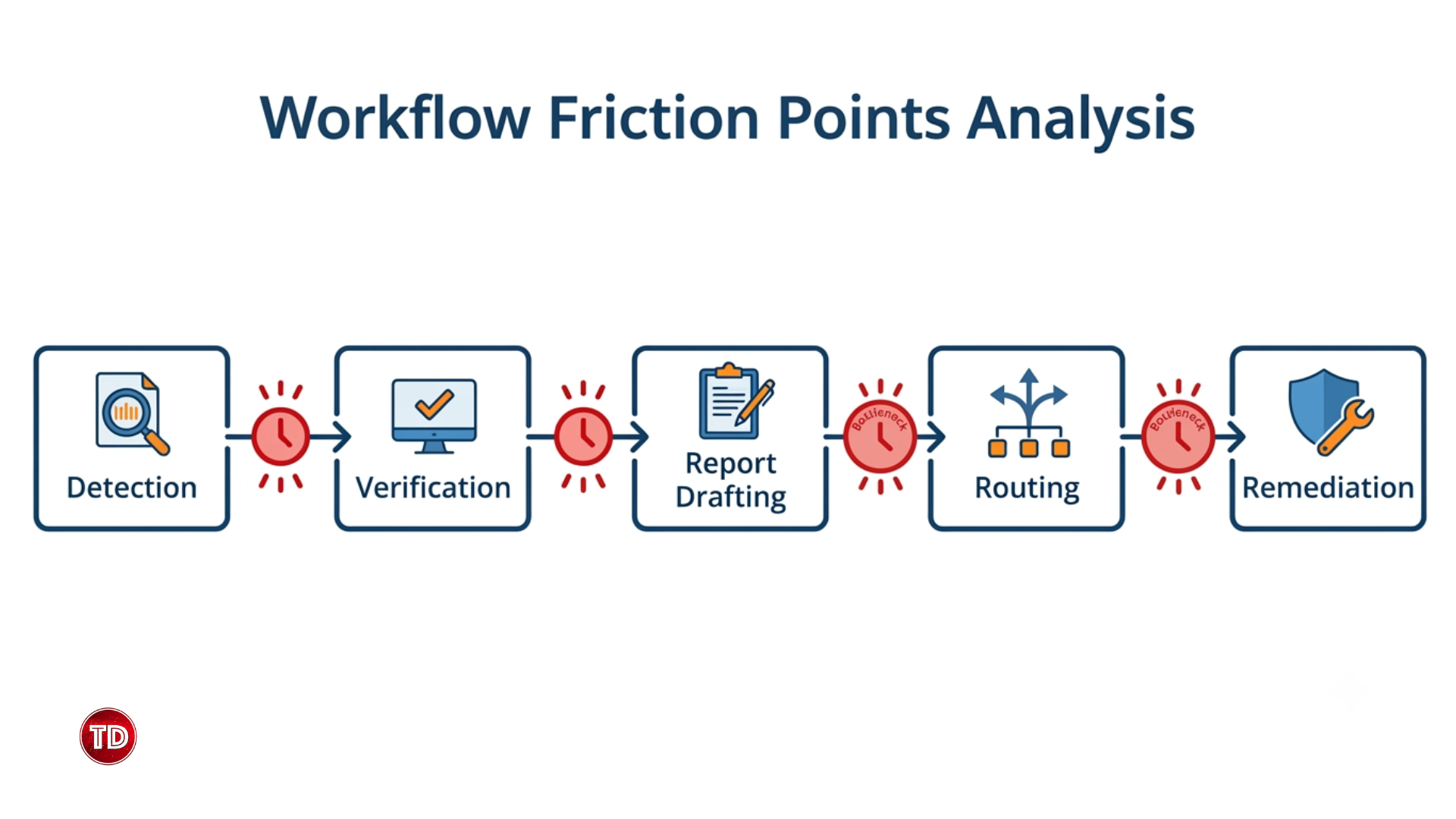
Step 3: Automate the Reporting Layer
Step 4: Automate the Remediation Layer
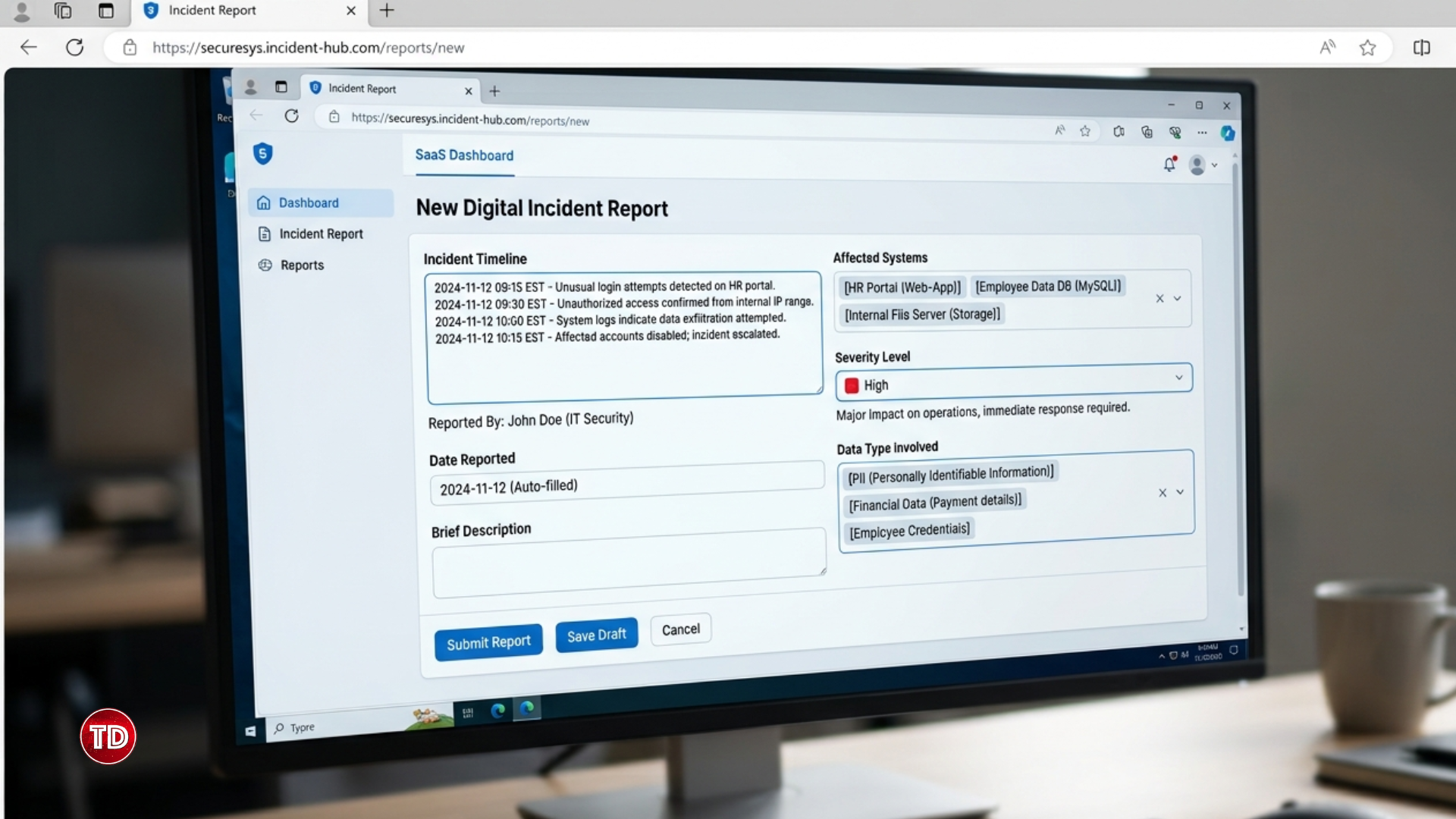
Step 5: Align the System with Philippine Regulatory Requirements
Step 6: Simulate Real Attacks Before Going Live

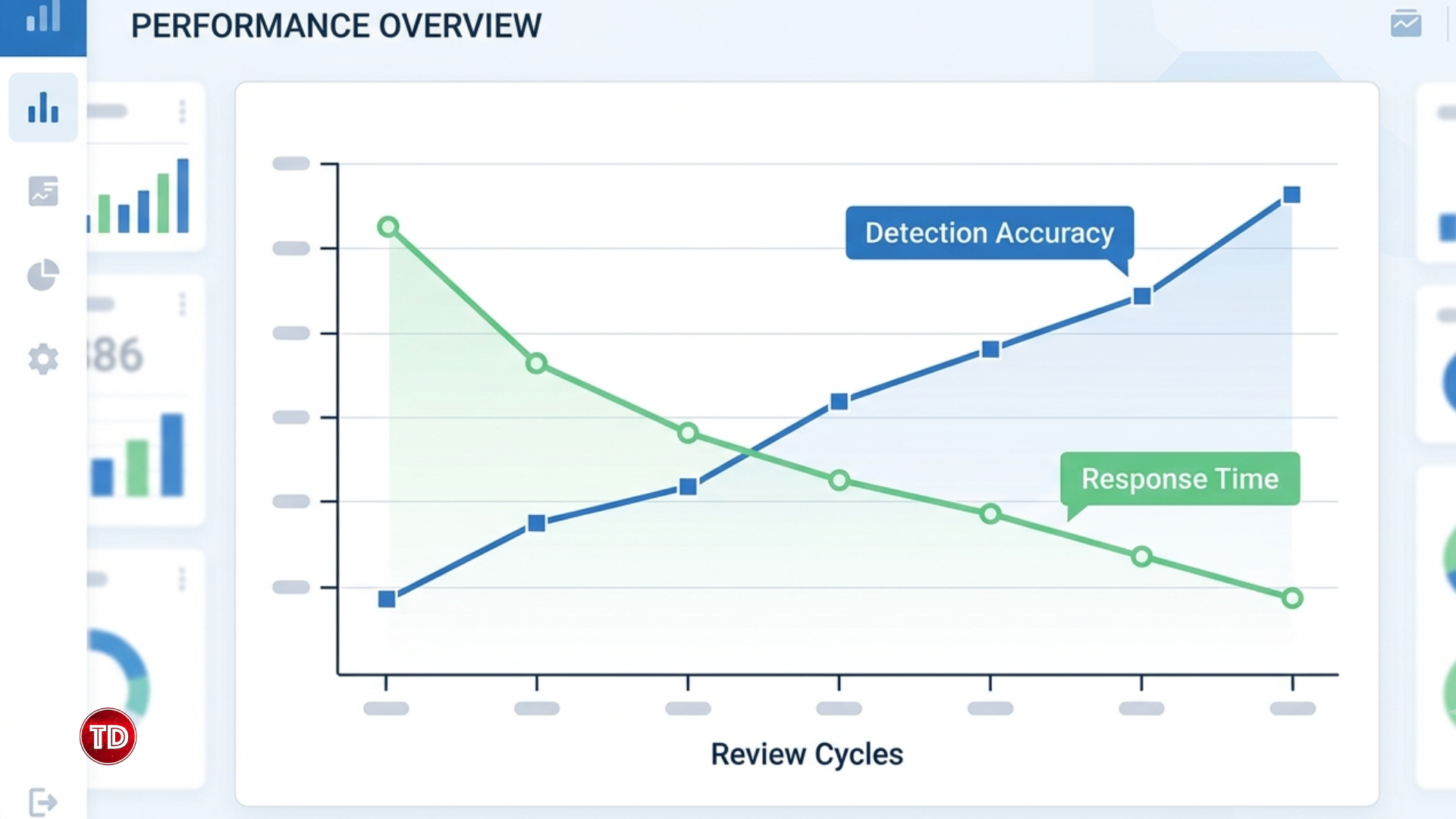
Step 7: Monitor, Audit, and Iterate

https://www.ncert.gov.ph/about-us/
https://www.ncert.gov.ph/wp-content/uploads/2020/06/CERT-PH-Incident-Reporting-and-Technical-Assistance-Request-Guidelines.pdf
https://www.lexology.com/library/detail.aspx?g=b7faa0aa-1ed6-4dec-969b-535e4757138a
https://www.statista.com/statistics/1404604/philippines-cybersecurity-related-incident-share-by-sector
https://worldngayon.com/philippine-government-cyberattacks-2026/🤖 $3.74 ONLY for Claude eBooks and Get 25% OFF All Claude Reviewers

Turn Your Team Into Cloud-Ready Professionals Today

Learn AWS with our PlayCloud Hands-On Labs

$2.99 AWS and Azure Exam Study Guide eBooks

Learn GCP By Doing! Try Our GCP PlayCloud

Learn Azure with our Azure PlayCloud

FREE AI and AWS Digital Courses

FREE AWS, Azure, GCP Practice Test Samplers


Subscribe to our YouTube Channel

Follow Us On Linkedin


Written by: Christine Francoise Gurango