
The gap between tutorial projects vs real-world systems is something many aspiring IT professionals eventually encounter. Whether you’re exploring cloud computing, software development, cybersecurity, artificial intelligence, or DevOps, tutorials provide a structured way to learn new concepts and technologies. They teach us how to deploy applications, connect databases, configure services, and build functional solutions. By the end of a tutorial, everything usually works as intended. The application runs successfully, the deployment completes without errors, and the expected output appears on the screen. However, stepping into real-world environments reveals a different reality. During my own learning journey as a student and intern, I noticed that many tutorials ended once an application was successfully deployed. While reaching that milestone felt rewarding, it also raised an important question: What happens after deployment? Real-world systems must continue operating long after the tutorial ends. They must handle real users, unexpected failures, security threats, changing requirements, and ongoing maintenance. The challenges extend far beyond simply making an application work. This article explores the gap between tutorial projects and real-world systems, and why understanding that gap is an important step for anyone pursuing a career in technology. The primary goal of a tutorial is to teach concepts efficiently. A cloud tutorial might show how to deploy a virtual machine. A web development course may guide learners through building a CRUD application. An AI tutorial could demonstrate how to connect a language model to a chatbot. The objective is to teach concepts, not to achieve production readiness. To make learning easier, tutorials intentionally remove many real-world complexities. Requirements are clearly defined, datasets are clean, infrastructure is preconfigured, and failures are minimized. This approach is valuable because it allows learners to focus on understanding the technology itself. However, completing several successful projects can create a common misconception: that building the application is the hardest part. In reality, building the application is often only the beginning. To better understand the difference, consider the comparison below: Tutorial Project Real-World System Built by one developer Maintained by multiple teams Uses clean sample data Handles messy real-world data Hardcoded credentials for simplicity Secure secret management Tested by a few users Used by hundreds or thousands Focuses on functionality Focuses on reliability, security, and scalability Ends after deployment Requires continuous maintenance The gap between these two environments is where many aspiring professionals encounter entirely new challenges. If there is one lesson that separates tutorial projects from production systems, it is reliability. A tutorial project only needs to function long enough to demonstrate a concept. If something goes wrong, restarting the application or redeploying the service is often enough to continue learning. Real-world systems operate under a different expectation. Users expect applications to be available whenever they need them. Businesses rely on systems to process transactions, store information, and support critical operations. Imagine an online shopping platform during a major sale. If the application becomes unavailable for even a few minutes, customers may abandon their purchases and take their business elsewhere. In such situations, downtime has real consequences. Consider another example: a web application hosted on a single virtual machine. Everything may work perfectly during testing. However, if that server unexpectedly fails in production, every user immediately loses access to the service. This is why organizations invest in monitoring, logging, backups, disaster recovery plans, redundancy, and high-availability architectures. Production systems are designed not only to work but also to recover when things inevitably go wrong. The challenge is no longer: “Can we build it?” The challenge becomes: “Can we keep it running?” Keeping systems available is only one part of the equation. Protecting those systems introduces another layer of complexity. Security is often simplified in tutorials. To help learners focus on core concepts, many tutorial projects use hardcoded credentials, simplified authentication mechanisms, or publicly accessible resources. While these shortcuts make learning easier, they would introduce significant risks in production environments. Real systems must protect: For example, accidentally publishing an API key to a public code repository could allow unauthorized individuals to consume cloud services, access resources, or generate unexpected costs. Similarly, a misconfigured storage bucket may expose sensitive information to the public internet. Security is no longer just the responsibility of security teams. Developers, cloud engineers, administrators, and operations teams all contribute to maintaining secure systems. As projects grow beyond the tutorial stage, security becomes a fundamental requirement rather than an optional feature. Even secure systems face another challenge that tutorials rarely prepare us for: unpredictable data. Tutorial datasets are usually carefully prepared. Records are complete. Inputs follow expected formats. Edge cases are limited. Real-world data rarely behaves this way. Users leave required fields blank. File uploads contain unsupported formats. Information arrives from different systems using inconsistent structures. Data may be duplicated, incomplete, or outdated. For example, a tutorial application might assume that users always enter a valid email address. In reality, users may accidentally submit invalid formats, misspell domains, or leave fields empty altogether. Without proper validation and error handling, these small issues can lead to larger problems. Many production incidents are not caused by sophisticated technical failures but by unexpected inputs that nobody anticipated. Developers quickly learn that handling imperfect data is just as important as implementing application features. As systems become more complex, another reality emerges: software is rarely built alone. Most tutorials assume a single developer working on a single project. Real-world systems involve collaboration across multiple roles and teams. Developers, cloud engineers, database administrators, security specialists, project managers, and stakeholders often contribute to the same system. This introduces challenges that tutorials rarely discuss: For example, a code change that appears harmless to one developer may affect another team’s service or create unexpected issues elsewhere in the system. As a result, communication becomes just as important as technical ability. Success in professional environments often depends not only on writing good code but also on collaborating effectively with others. Even after successful collaboration and deployment, the work is far from finished. Many tutorials end with a successful deployment. The application is running, the objective has been achieved, and the lesson is complete. In production environments, deployment is often considered the starting line rather than the finish line. Once a system is deployed, teams must continuously: A feature that works perfectly today may require updates tomorrow. User expectations evolve, threats emerge, and business needs change. A project may be technically complete, but its operational lifecycle has only begun. Tutorials remain one of the most valuable ways to learn technology. They provide a safe environment to experiment, gain confidence, and build foundational skills. However, analyzing tutorial projects vs real-world systems reveals that professional environments introduce challenges that tutorials intentionally simplify. The difference between a tutorial project and a production system is not whether the application works. The difference is whether it continues to work reliably, securely, and efficiently when real users depend on it. Building the application is an important milestone, but maintaining, securing, scaling, and operating that application is where many of the real lessons begin. The next time you complete a tutorial and successfully deploy an application, consider asking a different question. Not: “Does it work?” But: “What would it take to keep this running for real users every day?” Google Site Reliability Engineering (SRE) Book
Tutorial Projects and Real-World Systems: Understanding the Difference
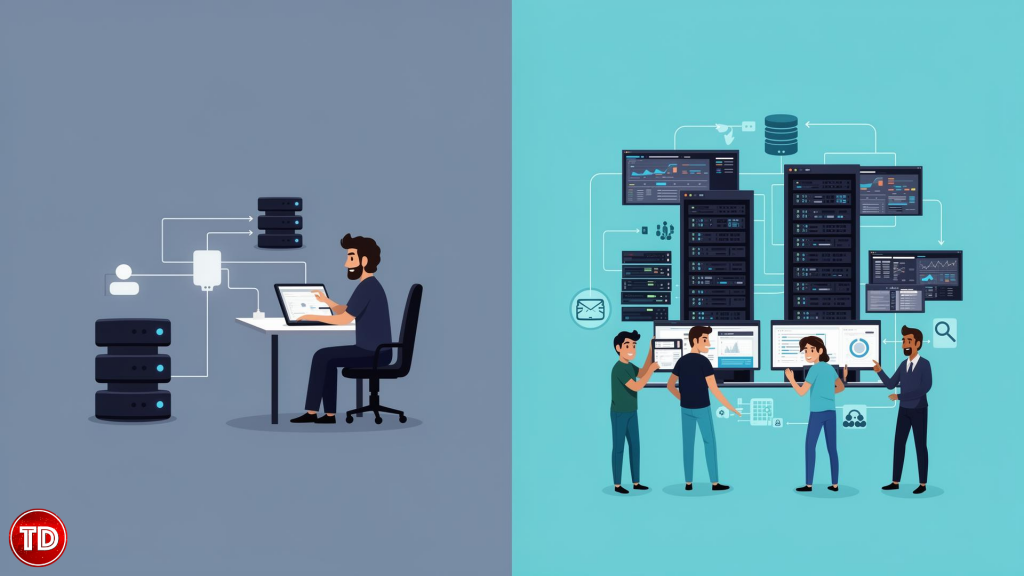
Real Systems Must Continue Working
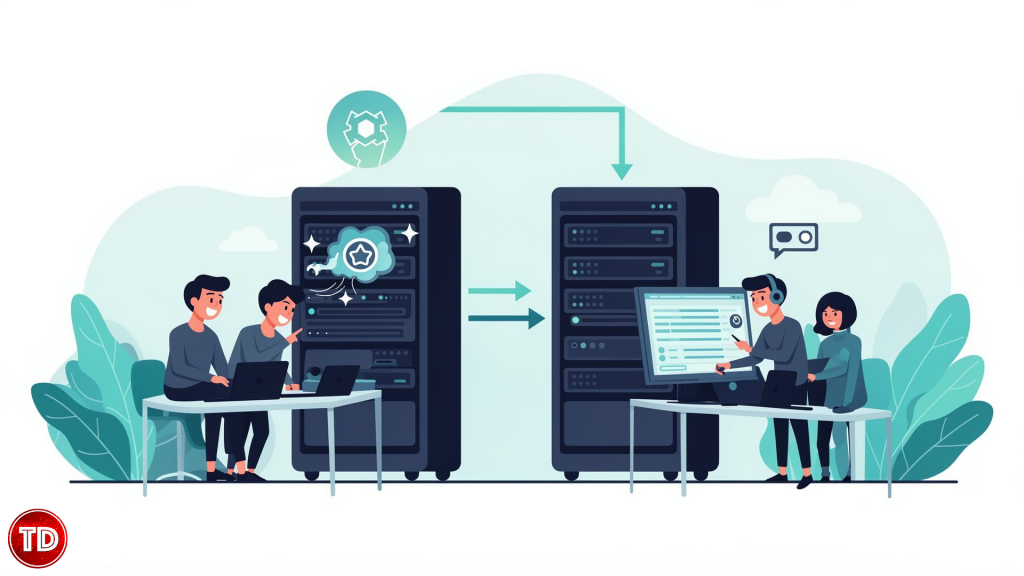

Security Becomes Everyone’s Responsibility
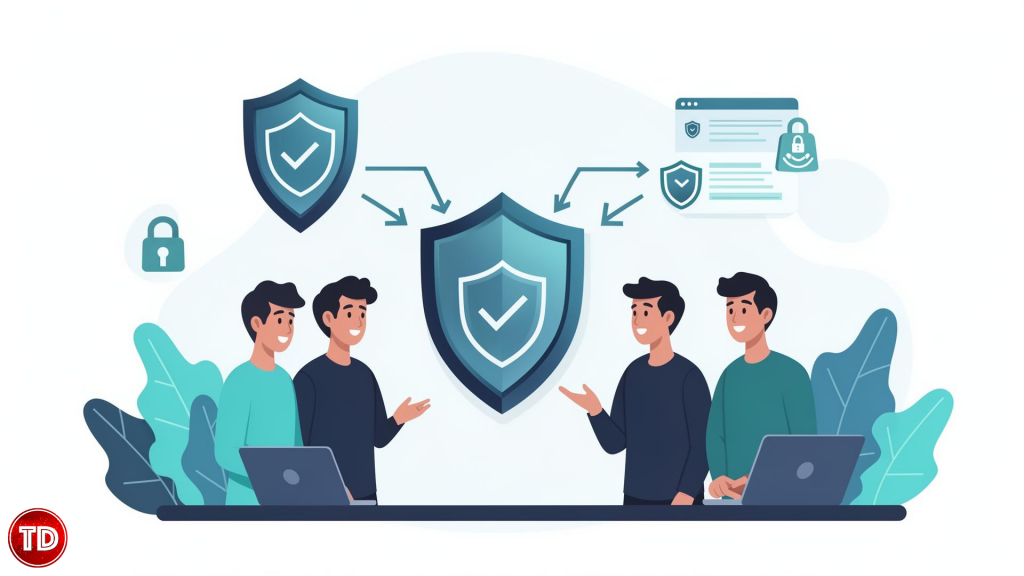
Real Data Is Messy
Building Is a Team Activity

The Real Goal Is Not Deployment
Final Thoughts
Recommended Resources
The Twelve-Factor App
OWASP Top 10
AWS Well-Architected Framework
Azure Well-Architected Framework
Martin Fowler Blog🤖 $3.74 ONLY for Claude eBooks and Get 25% OFF All Claude Reviewers

Turn Your Team Into Cloud-Ready Professionals Today

Learn AWS with our PlayCloud Hands-On Labs

$2.99 AWS and Azure Exam Study Guide eBooks

Learn GCP By Doing! Try Our GCP PlayCloud
Learn Azure with our Azure PlayCloud
FREE AI and AWS Digital Courses

FREE AWS, Azure, GCP Practice Test Samplers


Subscribe to our YouTube Channel

Follow Us On Linkedin


Written by: Jose Zyruse Navarez