
Last updated on April 10, 2026
Learning outside the curriculum is rarely discussed when students are first told to follow the syllabus, finish their requirements, and trust that everything will fall into place. If you attend your classes, submit your work on time, and get decent grades, you’re doing what you’re supposed to do. On paper, that should be enough. However for a lot of students, especially as graduation gets closer, there’s this anxiety where things you see in the job don’t match how things look academically. You might understand the material well enough to pass exams, yet still feel unsure about how any of it connects to real work. You might be doing “fine” in school while feeling completely unprepared for what comes after. I remember someone once saying something that really stuck with me: “I was getting good grades, but every time someone asked me what I could actually do, I didn’t know how to answer.” That feeling isn’t a personal failure. It’s a structural one. Curriculums are built to be safe and predictable. They exist to move large groups of students forward in a standardized way, using clearly defined problems, detailed instructions, and consistent measures of success. Early on, this structure is valuable because it provides direction and a shared foundation. The challenge appears when this structure is mistaken for readiness. Inside the curriculum, priorities are decided for you. Outside of it, identifying what matters becomes your responsibility. When every task comes with a rubric, there is little need to decide what deserves attention, how much effort is enough, or where to focus when trade-offs appear. Over time, students become efficient at completing requirements while remaining uncomfortable with ambiguity. As a result, structure can start to feel like preparation, even when it does not fully translate. For most students, this gap doesn’t show up all at once. It appears in small, uncomfortable moments. Sometimes this realization happens during an internship, when the concepts make sense but team dynamics don’t. At other times, it shows up at events or meetups, where people casually discuss things you’ve studied but never really touched. In some cases, it doesn’t appear until after graduation, when job descriptions sound familiar yet intimidating. That’s usually when the question comes up: Did I miss something? Most students didn’t. They followed the path exactly as it was laid out for them. What they missed was exposure. Learning outside the curriculum rarely comes with clear instructions. Without grades or rubrics, there’s no clear signal that you’re doing things “right.” Student organizations often expose how messy and poorly defined real projects can be. Industry talks might make sense only halfway. In other cases, the work continues without a clear endpoint or anyone telling you when you’re finished. At first, that discomfort feels like incompetence. This discomfort is a normal part of learning outside the curriculum, where progress isn’t measured by grades or rubrics. I remember thinking that maybe I just wasn’t ready yet, or that I needed to study more before putting myself in those situations. Eventually, it became clear that the discomfort wasn’t a sign of being behind. It was simply what learning feels like when there’s no safety net. Networking is one of the most misunderstood parts of learning outside the classroom. A lot of students avoid it because it feels transactional or fake, as if you’re supposed to talk to people only to get something from them. In practice, it looks very different. Real networking turned out to be much quieter. It meant spending time around people who were slightly ahead of me and paying attention to how they thought. Returning to the same spaces made conversations feel natural, and curiosity guided the questions I asked. I remember my first meetup clearly. I barely spoke and mostly listened. Hearing people explain their work helped me understand what I was actually aiming for in a way no lecture ever had. Some of the most important career skills aren’t taught directly. They’re learned through experience and observation. Learning how to ask questions without feeling embarrassed. Explaining your thinking to people with different backgrounds. Figuring out what matters when there’s no rubric telling you what to prioritize. You also learn a lot by watching how people handle mistakes, feedback, and uncertainty. Students who stay strictly inside the curriculum often encounter these lessons much later, when expectations are higher and support is lower. Encountering them earlier, when the stakes are smaller, makes a difference. One of the things I didn’t expect when I started going to events was how different learning felt outside the classroom. There were no slides telling me what to focus on, no quizzes at the end, and no pressure to prove that I belonged. I just showed up, listened, and slowly started to understand how things worked in the real world. For students interested in cloud and technology, local user groups became one of the easiest ways to get that exposure. I started attending AWS User Groups PH meetups, and what surprised me most was how informal everything felt. These weren’t job fairs or lectures. People talked openly about what they were building, what had broken recently, and what they were still trying to figure out. The first time I attended, I expected it to be intimidating. Instead, it felt approachable. There were working professionals, students, and career shifters all in the same room, and that mix made it easier to ask questions without feeling out of place. Over time, these events became more than just a way to learn. They were where I started meeting people I could relate to, people on similar paths or just a few steps ahead. Some became friends I could talk to honestly about career doubts. Others became informal mentors, not through scheduled advice sessions, but through casual conversations and shared experiences. Being part of a community like that gives you more than technical knowledge. It gives you context, perspective, and the feeling that you’re not figuring everything out alone. Showing up regularly built confidence, not because I suddenly knew more, but because I became familiar with how professionals think and talk about their work. Stepping outside the curriculum does not require becoming extroverted or constantly social. It does not require saying yes to every opportunity or turning learning into a networking exercise. Small, consistent actions are enough. Attending one event a month, staying active in a single community, or talking to one person about their path can go a long way. What matters most is proximity, not performance. Curriculums will always matter. They teach fundamentals and provide a starting point. What they cannot fully offer is insight into how work actually happens, how decisions are made under pressure, or how careers unfold in non-linear ways. Students who rely only on the curriculum often graduate with strong academic foundations but limited confidence. Those who combine structured learning with real exposure build intuition, perspective, and the ability to keep learning without clear instructions. This difference appears early, and over time, it compounds.
What the Curriculum Is Actually Designed to Do


The Moment This Gap Becomes Obvious
Why Learning Outside the Curriculum Feels So Different
Rethinking Networking as a Student
Skills You Only Learn Outside the Curriculum
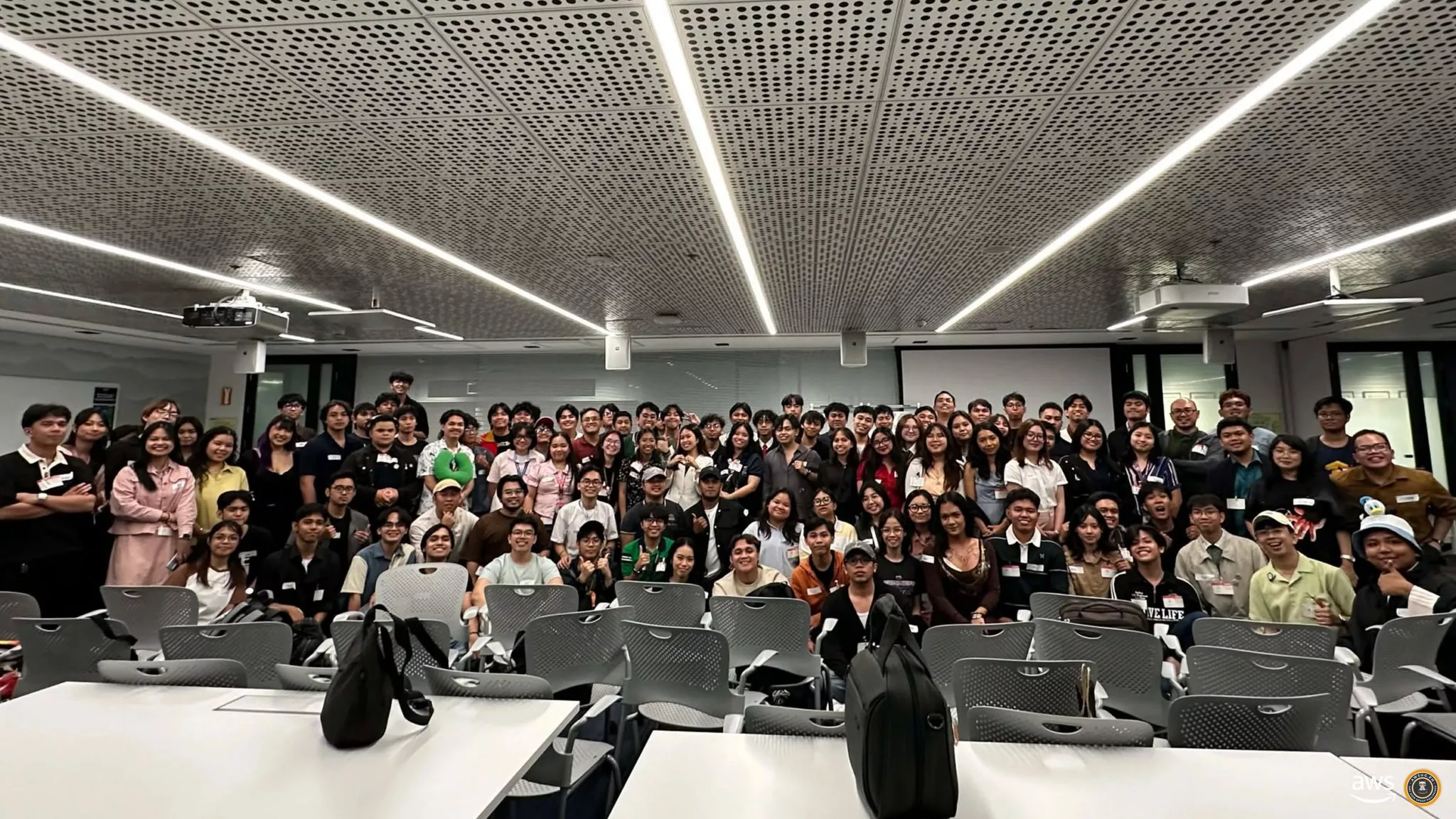
Finding Community Through Learning Outside the Curriculum
How to Step Outside Without Becoming Someone Else
Why This Matters Long After Graduation

🤖 $3.74 ONLY for Claude eBooks and Get 25% OFF All Claude Reviewers

Turn Your Team Into Cloud-Ready Professionals Today

Learn AWS with our PlayCloud Hands-On Labs

$2.99 AWS and Azure Exam Study Guide eBooks

Learn GCP By Doing! Try Our GCP PlayCloud

Learn Azure with our Azure PlayCloud

FREE AI and AWS Digital Courses

FREE AWS, Azure, GCP Practice Test Samplers


Subscribe to our YouTube Channel

Follow Us On Linkedin


Written by: Jasmyn Japag