
Last updated on April 3, 2026
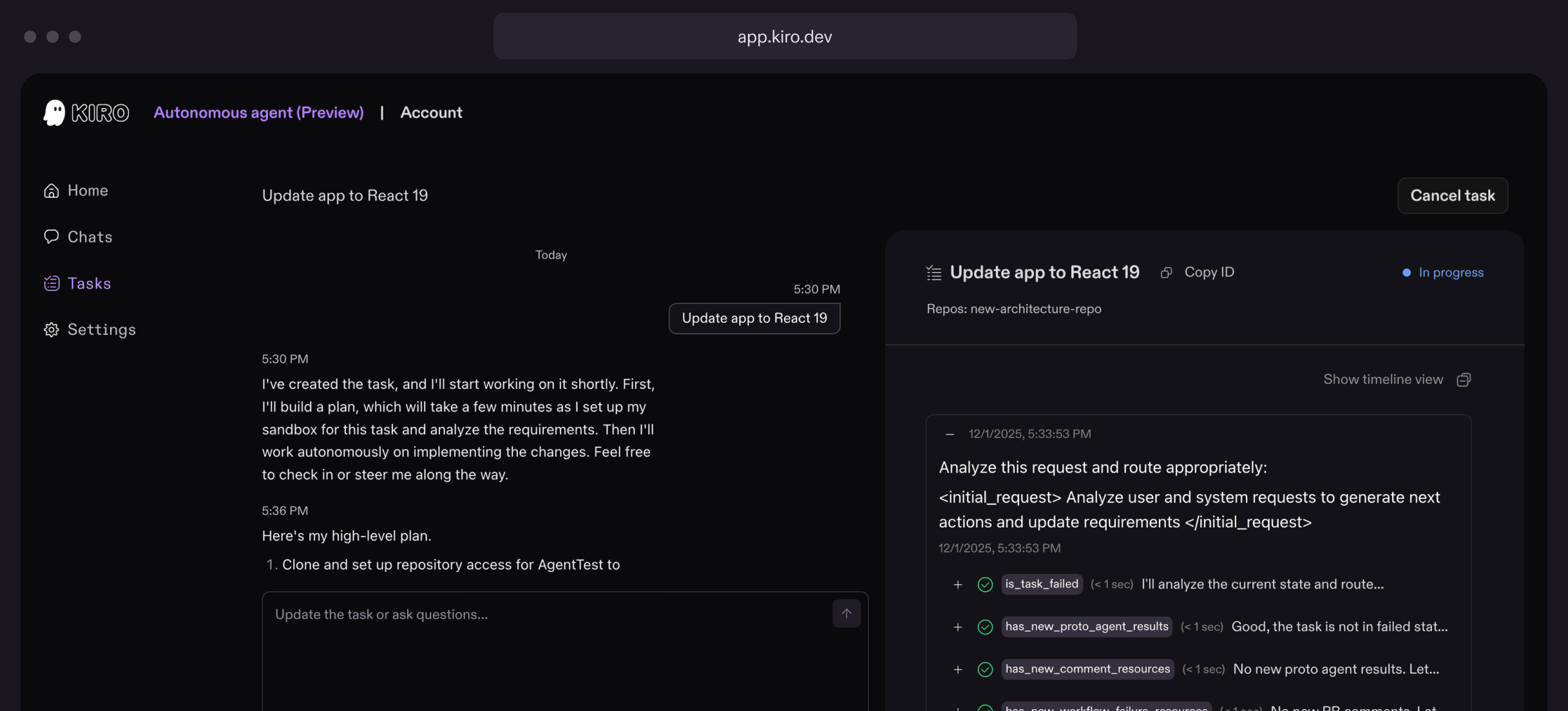
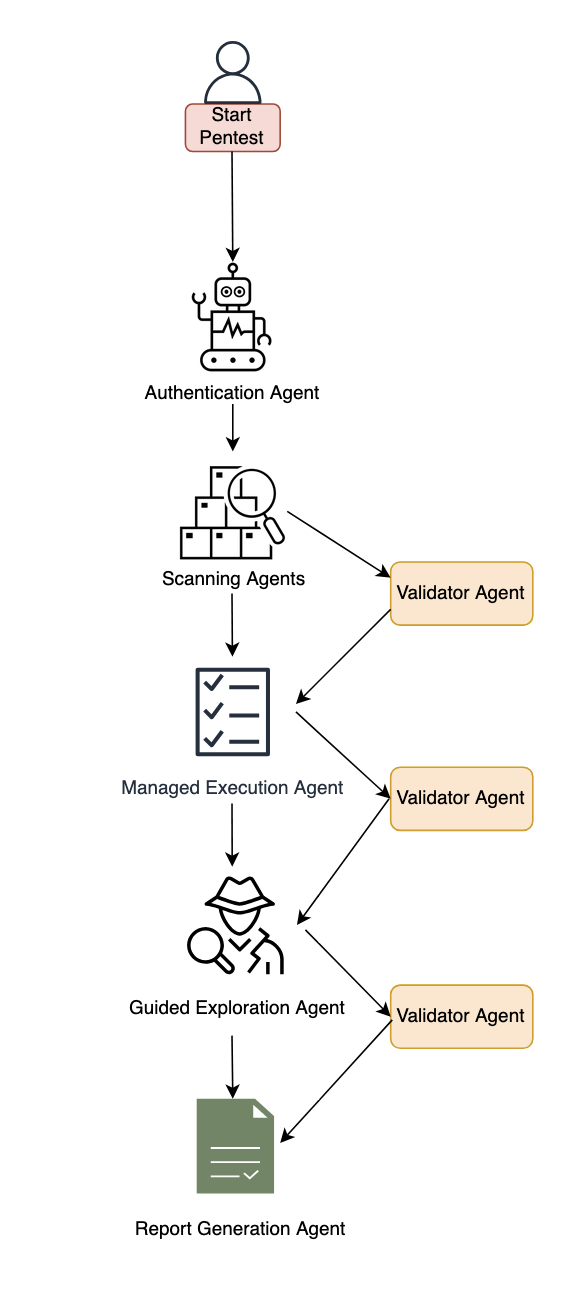
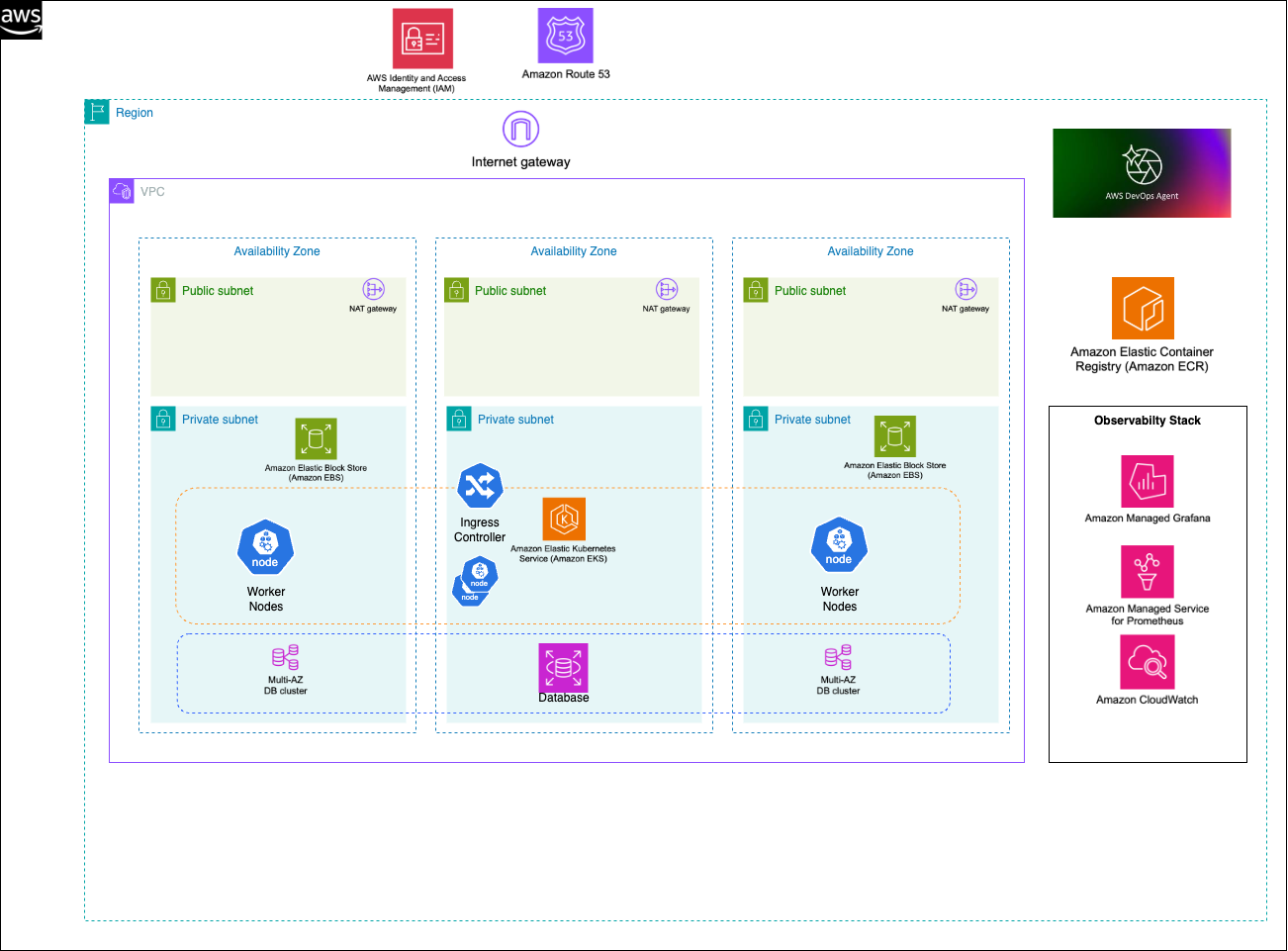
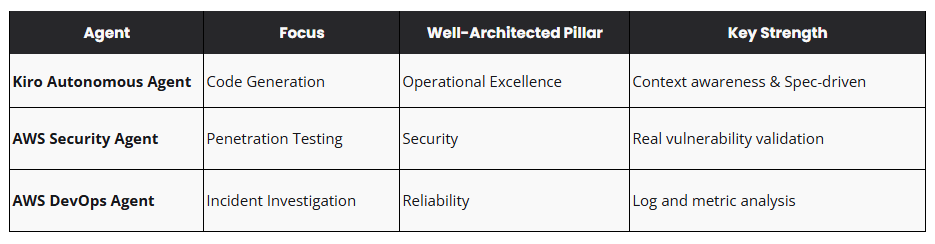
Cloud infrastructure is undergoing a massive shift with the introduction of AWS Frontier Agents. These autonomous agents represent the next evolution of cloud management, moving beyond simple scripts to intelligent, self-healing systems. In this guide, we will explore how AWS Frontier Agents automate complex workflows and what they mean for the future of DevOps and security. For years, automation solved infrastructure problems through scripts, pipelines, and runbooks. However, these traditional methods still required constant human attention. Today, a new approach is emerging AWS Frontier Agents are changing how cloud systems are built, monitored, and operated at scale. AWS Frontier Agents are autonomous systems powered by Amazon Bedrock. They are designed to complete complex technical tasks with minimal human input. Unlike traditional AI assistants that merely provide suggestions, these agents can plan, execute, and improve workflows on their own. Key capabilities include: Independent task execution. The agents can navigate environments and perform actions without step-by-step guidance. Continuous operation. They function without constant supervision, flagging humans only when necessary. Scalability. They can be deployed across multiple workloads simultaneously. End-to-end problem solving. They handle the entire lifecycle of a task, from initial analysis to final verification. These features make them a powerful addition to modern cloud architectures. In the AWS Well-Architected Framework, the Operational Excellence pillar focuses on improving processes and reducing manual effort. Frontier Agents take this a step further by: Reducing manual debugging and monitoring. Agents can identify and resolve common issues before they escalate. Improving response times. During incidents, agents can act at machine speed to mitigate threats. Automating security workflows. They proactively identify vulnerabilities through simulated attacks. Focusing on design. Allowing teams to spend less time on “keeping the lights on” and more time on innovative system design. The result is faster deployments, fewer human-induced errors, and significantly more reliable systems. Software development often involves repetitive tasks such as environment setup, boilerplate coding, and debugging. Kiro introduces a spec-driven workflow to solve this by providing an autonomous engineering agent that works directly within your codebase. Instead of writing code line by line, developers provide a feature request or a “spec.” The agent analyzes the existing repository, creates an implementation plan, writes the code, and runs tests to verify the solution. This dramatically speeds up development cycles and reduces bugs by ensuring the implementation matches the original specification perfectly. The Kiro workflow automates the journey from a feature specification to a verified code implementation. (Source: Kiro.dev) Security has always been a top priority in cloud environments, but traditional tools often generate overwhelming lists of false positives. The AWS Security Agent takes a proactive approach by acting as an automated “red team” attacker. Instead of just flagging a potential weakness, the agent attempts to exploit it. If successful, it maps the specific attack path, proves the vulnerability’s impact, and provides clear, validated steps to fix it. This allows security teams to focus exclusively on real, verified threats. The security agent architecture utilizes specialized sub-agents—Authentication, Scanning, and Validator agents—to map and report attack paths. (Source: AWS Security Blog) System failures and outages are costly, and quick recovery is critical. The AWS DevOps Agent automates the most time-consuming part of an outage: root cause analysis. When an issue occurs, the agent immediately reviews logs, metrics, and traces across the entire distributed system. It identifies the exact source of the failure and suggests (or implements) a fix. This reduces “Mean Time to Repair” (MTTR) and ensures higher system availability. The DevOps Agent integrates with the full observability stack, including Amazon CloudWatch, Managed Prometheus, and Grafana to monitor EKS clusters. (Source: AWS Architecture Blog) To better understand the differences between these tools, here is a breakdown of their primary roles: Incorporating these agents into your workflow provides several measurable advantages: Faster development and deployment cycles. Reduced operational workload for engineers. A significantly improved security posture through proactive testing. Near-instant incident response and root cause identification. Higher overall system reliability and uptime. While advanced cloud tools can be expensive, AWS and independent agent providers offer ways for students and learners to get started: The Kiro Autonomous Agent offers specialized access and documentation for developers looking to integrate autonomous engineering into their cloud workflows. The AWS DevOps Agent and other Bedrock-powered features often offer free trials or “Pay-as-you-go” models that are manageable for testing and learning. This accessibility allows students to explore enterprise-grade cloud automation without needing a professional budget. Students often get bogged down by minor syntax errors or confusing log files, which can lead to frustration. By offloading these tedious tasks to Frontier Agents, students can focus on higher-level skills: Understanding cloud architecture. Mastering complex system design. Building truly scalable applications. Implementing advanced security best practices. This shift makes the learning process more efficient and prepares students for the modern, AI-augmented workplace. AWS Frontier Agents represent a major shift in cloud computing. They move operations from manual processes to intelligent, autonomous automation. By handling the heavy lifting of development, security, and operations, these agents allow engineers to focus on high-level innovation. For students and professionals alike, this is an opportunity to build better systems, faster than ever before. The best way to learn is by doing start exploring autonomous agents today to transform your next cloud project.
What Are AWS Frontier Agents?
Why AWS Frontier Agents Matter for Cloud Architecture

The 3 Core AWS Frontier Agents
1. Kiro Autonomous Agent
2. AWS Security Agent
3. AWS DevOps Agent
AWS Frontier Agents Comparison
Benefits of Using AWS Frontier Agents
Cost and Accessibility for Students
How AWS Frontier Agents Help Students Learn Faster

Conclusion
References:
🔔 20% OFF All Reviewers + 10% OFF PlayCloud’s First Billing Use Code: TDPLAYCLOUD-101326

Turn Your Team Into Cloud-Ready Professionals Today

Learn AWS with our PlayCloud Hands-On Labs

$2.99 AWS and Azure Exam Study Guide eBooks

Learn GCP By Doing! Try Our GCP PlayCloud
Learn Azure with our Azure PlayCloud
FREE AI and AWS Digital Courses

FREE AWS, Azure, GCP Practice Test Samplers

Subscribe to our YouTube Channel

Follow Us On Linkedin


Written by: Rixzel Avendaño