
When I first started learning about application development, I thought creating an app was mostly about writing code, designing the interface, and making sure the features worked. Once the application was built, I assumed the next step would be to publish it and let people use it.
However, as I became more involved in actual projects, I started to realize that building an application is only one part of the entire process. There are still many things to consider before an app is ready for real users, including quality assurance, production preparation, app store requirements, marketing, and ongoing maintenance.
I began to understand that creating an app is not just about making something work. It is also about preparing it for people, communicating its value, and making sure it can be maintained after launch.
This article shares what I have learned about the process of taking a mobile application from development to release, especially for beginners who may also think that finishing the code means the project is finished.
When I Realized That Finishing the Code Was Not Enough
While working on app-related projects, I became more familiar with the different responsibilities involved in development. There is the actual coding, but there are also discussions about design, testing, documentation, and how the application will be delivered to users.
One thing I have learned is that a feature can work correctly from a developer’s perspective but still have problems when used by someone else. A user might encounter confusing navigation, an unexpected error, or a feature that does not behave as expected.
This is where quality assurance becomes important.
Through my experience monitoring QA progress and working with development-related tasks, I have started to appreciate how testing helps identify issues before they reach a wider audience. It also made me realize that developers need to think beyond their own development environment.
The application needs to be tested, reviewed, and prepared for different situations before it can be considered ready for release.
Preparing an Application for Production
After development, one of the next challenges is preparing the app for production.
Production is the environment where real users interact with the application. This means the team needs to pay attention to areas that might not be as important during early development, such as reliability, security, performance, and data management.
Some of the preparation tasks include:
- Testing the application’s main features and user flows.
- Fixing bugs and verifying that solutions work.
- Checking how the application performs on different devices.
- Reviewing privacy policies and user data handling.
- Preparing the backend and cloud infrastructure.
- Creating app store assets, such as screenshots and descriptions.

Learning these concepts introduces me to areas of development that I might not fully understand when focusing only on the frontend. As applications grow, developers also need to consider how their development decisions affect long-term maintainability. Building features quickly is useful, but it is also important to recognize the challenges of technical debt in the AI era and how they can influence future improvements.
Publishing an App on the Google Play Store and Apple App Store
One of the things I wanted to understand better was how an application actually becomes available for download.
Before learning about the release process, I mostly thought that developers simply uploaded their finished app to the Play Store or App Store. In reality, both platforms have their own requirements and workflows.
For Android applications, developers generally use Google Play Console to manage their application, testing, store listing, and production releases. The app needs to be packaged correctly, and developers must complete the applicable requirements before submitting it.
For iOS applications, developers use Apple’s development tools and App Store Connect to manage builds, testing, app information, and submissions for review.
Both platforms require developers to prepare information about their apps, test their builds, and follow their respective policies.
Learning about these processes made me realize that deployment is a separate skill from development. Even if a developer can build an application, they still need to understand how to distribute it properly.
The Part I Did Not Think About Enough: Marketing
One of the biggest realizations for me was that launching an app is not only a technical process. It is also about making people aware of the application.
Before becoming involved in marketing-related discussions and tasks, I tended to focus more on whether an app could be built and whether its features worked.
However, an application can be functional and still struggle to reach users if people do not know it exists or understand why they should use it.
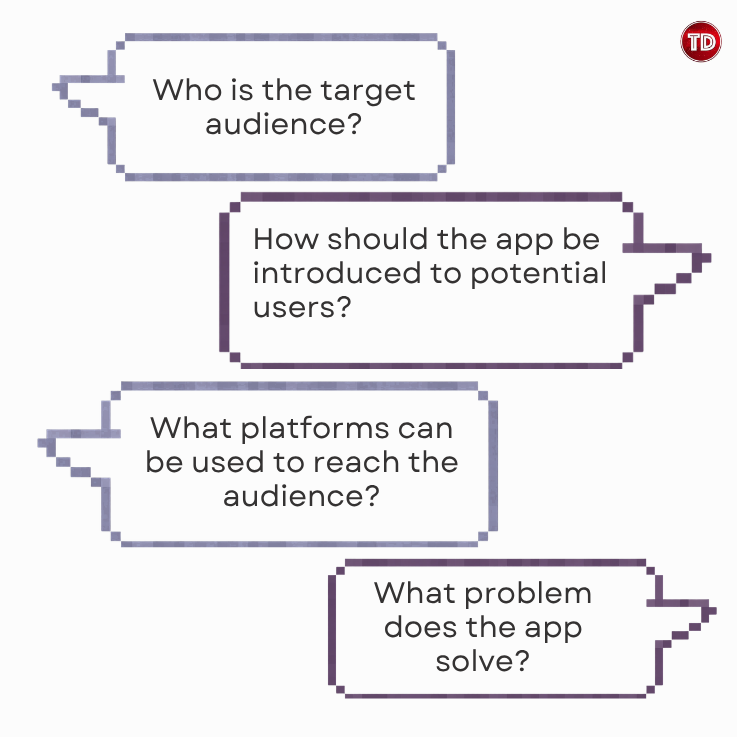
I have started to see how important communication and audience awareness are, it iis not enough to develop a product. The team also needs to explain its purpose and connect it with the people it is intended to help.
This does not mean that every developer needs to become a marketing expert. However, understanding the basic relationship between product development and marketing can help teams make better decisions.
The Importance of Working as a Team
Another lesson I have learned is that developing and launching an application requires teamwork.
In a small team, members may have to handle multiple responsibilities. Developers may work on features while also helping with testing, documentation, or deployment preparation. Other members may focus on design, marketing, or user support.
Because of this, I have started to see the value of assigning clear roles and tracking tasks because of this. A team needs to know which features are ready, which bugs remain unresolved, and who is responsible for the next steps.
Communication is also important. Regular updates and clear documentation can help prevent misunderstandings and make it easier for members to contribute. Being involved in different tasks has shown me that software development is not just an individual technical activity. It also requires coordination, ownership, and the willingness to learn from others.
What Happens After the App Is Launched?
Before, I thought that once an app was published, the main work was finished. Now I understand that launch is only the beginning of another stage.
After release, the team still needs to monitor the application, respond to feedback, and address issues that users may encounter.
Some post-launch responsibilities include:
- Monitoring crashes and performance.
- Responding to user questions and support requests.
- Fixing bugs through updates.
- Maintaining backend and cloud services.
- Planning future improvements.
- Reviewing user feedback to understand what needs to change.

This is especially relevant for applications that depend on online services. If a backend service experiences an issue, it can affect the user experience even when the mobile application itself has not changed.
Lessons I Am Taking as a Beginner Developer
The more I learn about app development, the more I realize that there is no single skill that covers the entire process.
Programming is important, but it is only one part of building a useful application. Testing, deployment, cloud infrastructure, documentation, communication, and marketing all contribute to how a product reaches and serves its users.
Learning can be quite overwhelming especially since there are new technologies, tools, and processes to understand. But, working on projects has helped me recognize that I do not need to master everything at once.
Instead, I can approach the process step by step. I can improve my coding skills while learning how testing works, explore cloud services while understanding their purpose, and become more familiar with product and marketing responsibilities through team activities.
This mindset has helped me view unfamiliar tasks as opportunities to learn rather than assuming that development ends when the code is complete.
Creating an application involves more than writing code and completing its features. A team must prepare the application for production, test its functionality, understand app store requirements, plan its launch, and continue maintaining it after release.
I initially thought that building the app was the biggest goal. Now I understand that the process of delivering it to users involves many more steps, each with its own challenges and learning opportunities.
An application is not truly finished when the code is complete. It is part of a continuous process of building, testing, and improving.
References
🤖 $3.74 ONLY for Claude eBooks and Get 25% OFF All Claude Reviewers

Turn Your Team Into Cloud-Ready Professionals Today

Learn AWS with our PlayCloud Hands-On Labs
$2.99 AWS and Azure Exam Study Guide eBooks

Learn GCP By Doing! Try Our GCP PlayCloud
Learn Azure with our Azure PlayCloud
FREE AI and AWS Digital Courses

FREE AWS, Azure, GCP Practice Test Samplers


Subscribe to our YouTube Channel

Follow Us On Linkedin


Written by: Bryce Anrie Bombales