
For years, Search Engine Optimization (SEO) defined how digital content succeeded online. Keywords, backlinks, and domain authority shaped rankings and traffic. But as we move deeper into 2026, the search landscape has fundamentally changed. With the rise of Large Language Models (LLMs), AI-powered search experiences, and zero-click results, traditional SEO alone is no longer enough. Today, success is less about ranking for clicks and more about being cited as a trusted source. This shift marks the arrival of Generative Engine Optimization (GEO) which is a strategy focused on visibility, authority, and AI-driven discovery. Generative Engine Optimization (GEO) is the practice of optimizing content so that AI systems, such as Google’s Search Generative Experience (SGE), Perplexity AI, or Gemini can select, summarize, and cite your content when generating answers. Instead of asking, “How do I rank #1?”, GEO asks: Historically, SEO followed a linear journey: Key metrics included: Traffic volume was the primary measure of success. AI-powered search changes the journey: In this model, authority and accuracy outweigh raw traffic. Being cited by AI becomes the new form of ranking. If your content isn’t optimized for AI consumption, it risks becoming invisible, even if it ranks well traditionally. AI systems prioritize accuracy. Content that includes unsupported claims, outdated information, or vague statements is less likely to be cited. Best practices: AI models favor content that is easy to parse. Improve extractability by: Well-structured content doubles as both human-friendly and AI-ready. Google’s E-E-A-T framework: Experience, Expertise, Authoritativeness, and Trustworthiness—is even more critical in the AI era. Strengthen E-E-A-T by: Schema markup provides explicit signals to AI systems about your content’s meaning. Recommended schema types: Semantic markup improves machine understanding and increases citation potential. Each section should stand alone as a potential AI answer. Tips: AI models prefer sources that demonstrate transparency and reliability. Build trust by: AI can assist with drafting, but it cannot replace human insight. The 30% Rule suggests: That 30% includes: This human layer is often what earns AI citations. Generative Engine Optimization is not replacing SEO–it’s redefining it. Brands and creators who adapt early will become trusted knowledge sources powering AI-generated answers. The era of optimizing solely for clicks is fading. The era of optimizing for authority, accuracy, and citations has arrived.
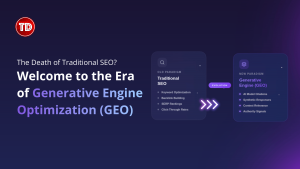
What Is Generative Engine Optimization (GEO)?
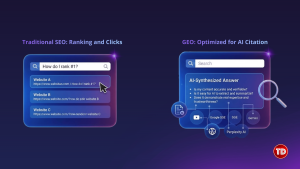
Traditional SEO vs. GEO: What’s Changed?
The Old SEO Model: Ranking for Clicks
The New GEO Model: Earning Citations

Why GEO Matters for SEO in 2026
Core Principles of GEO Optimization
1. Create Factually Robust, Verifiable Content
2. Structure Content for AI Extraction
3. Leverage E-E-A-T for GEO Success
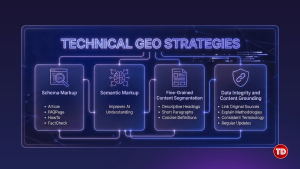
Technical GEO Strategies That Improve AI Citations
Semantic and Schema
Fine-Grained Content Segmentation
Data Integrity and Content Grounding
The 30% Rule: Where Humans Still Win
Practical Steps to Implement GEO Today
Conclusion
Resources:
🌸 25% OFF All Reviewers on our International Women’s Month Sale! Save 10% OFF All Subscriptions Plans & 5% OFF Store Credits/Gift Cards!

Learn AWS with our PlayCloud Hands-On Labs

$2.99 AWS and Azure Exam Study Guide eBooks

New AWS Generative AI Developer Professional Course AIP-C01

Learn GCP By Doing! Try Our GCP PlayCloud

Learn Azure with our Azure PlayCloud

FREE AI and AWS Digital Courses

FREE AWS, Azure, GCP Practice Test Samplers


Subscribe to our YouTube Channel

Follow Us On Linkedin


Written by: Dearah Mae Barsolasco