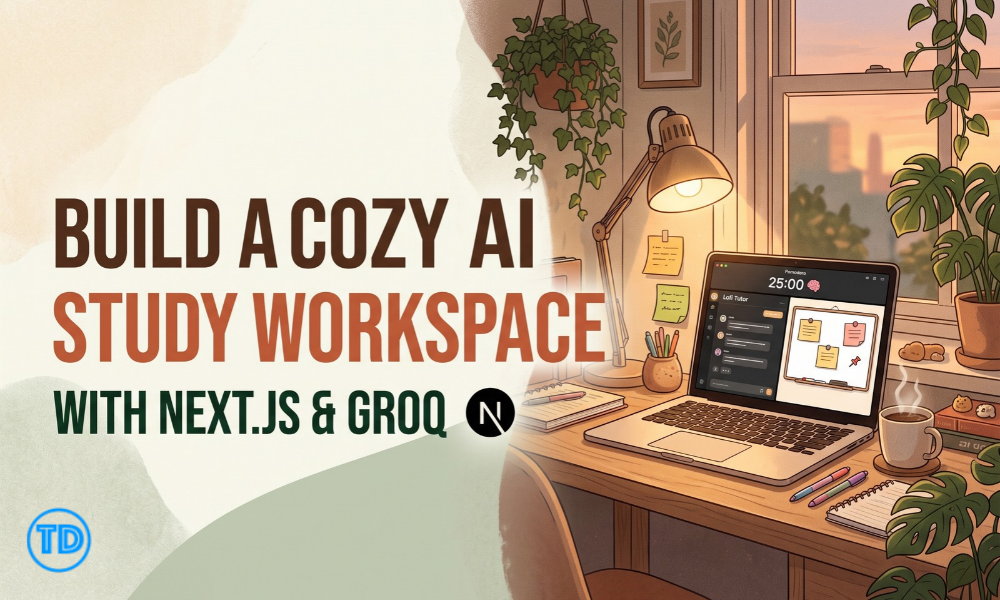
Build a Cozy AI Study Workspace with Next.js and Groq
Joshua Emmanuel Santiago2026-10-09T06:36:56+00:00

Have you ever wanted to build a completely custom AI Architecture Generator, but got stuck trying to force a language model to output perfectly valid diagram syntax? Downloading a standard flowchart library is rarely plug-and-play. You wire up the code, run it, and immediately hit walls, from struggling to prevent the AI from hallucinating Markdown wrappers to fighting stubborn canvas elements where text overlaps and ruins your sequence diagrams. In this beginner-friendly tutorial, we will walk through how to build "Capsule," a production-ready, gamified AI Architecture Generator. Users simply type a prompt, and the application streams back a fully rendered, [...]
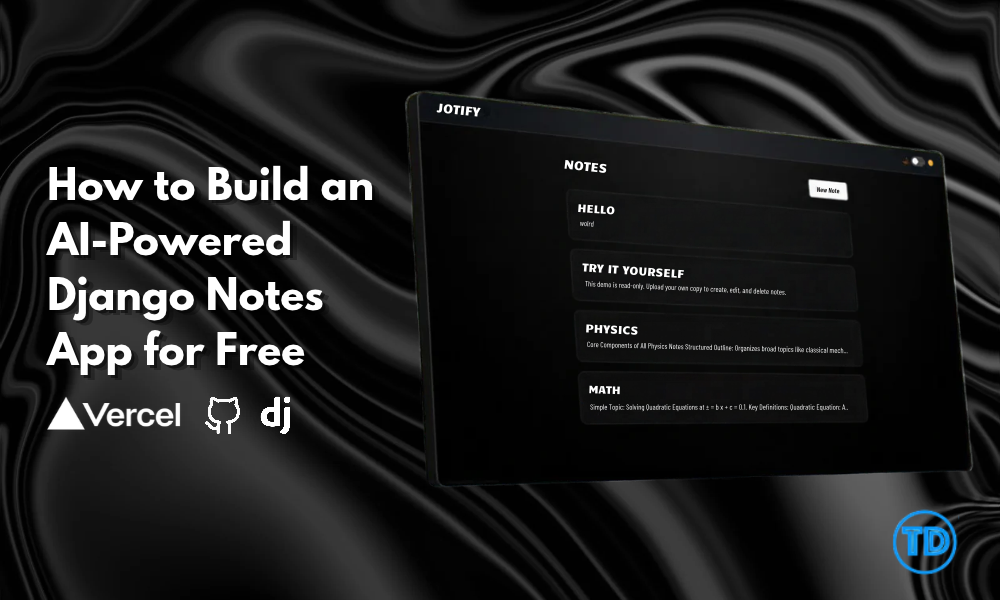
Have you ever wanted to build a completely custom AI-powered note-taking app, but got stuck trying to make the backend talk to modern language models? Downloading a starter Django repository is rarely plug-and-play. You clone the code, run it, and immediately hit walls, from struggling to securely load your API keys to fighting stubborn CSS themes that refuse to toggle correctly. In this tutorial, we will walk through how to take a baseline Django note-taking architecture, run it locally step-by-step, and seamlessly integrate Groq’s specialized language models for instant AI summarization. We will also cover how to [...]
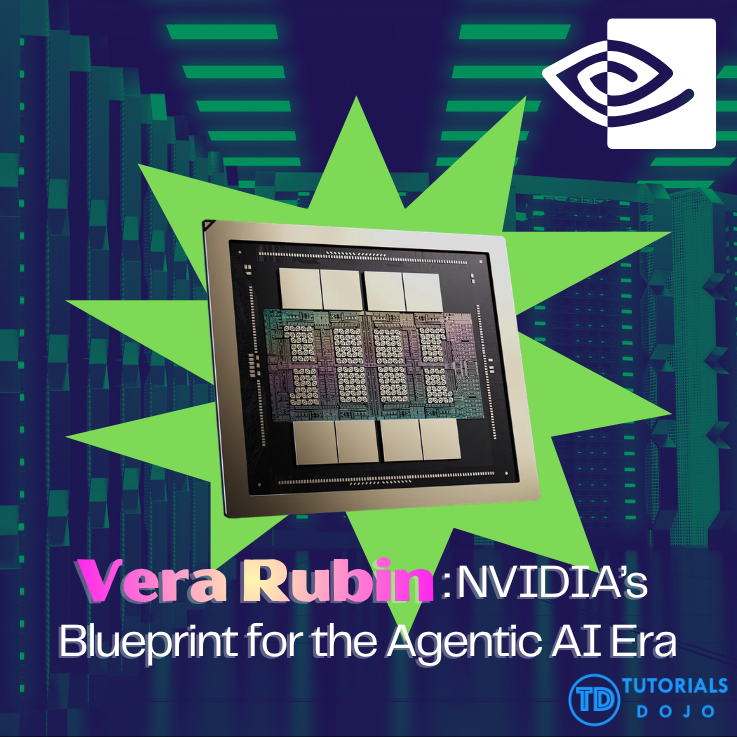
If AI keeps getting smarter, can the infrastructure behind it keep up? Artificial intelligence is rapidly moving beyond simply generating answers. Modern AI systems are becoming capable of reasoning through problems, using external tools, retrieving information, executing tasks, and deciding what to do next. This is the idea behind Agentic AI, where AI can work through multiple steps to achieve a goal rather than simply responding to a single prompt. This evolution is also making AI workloads more complex and demanding. An AI agent may need to perform several rounds of inference, access memory, retrieve data, call APIs, execute code, [...]
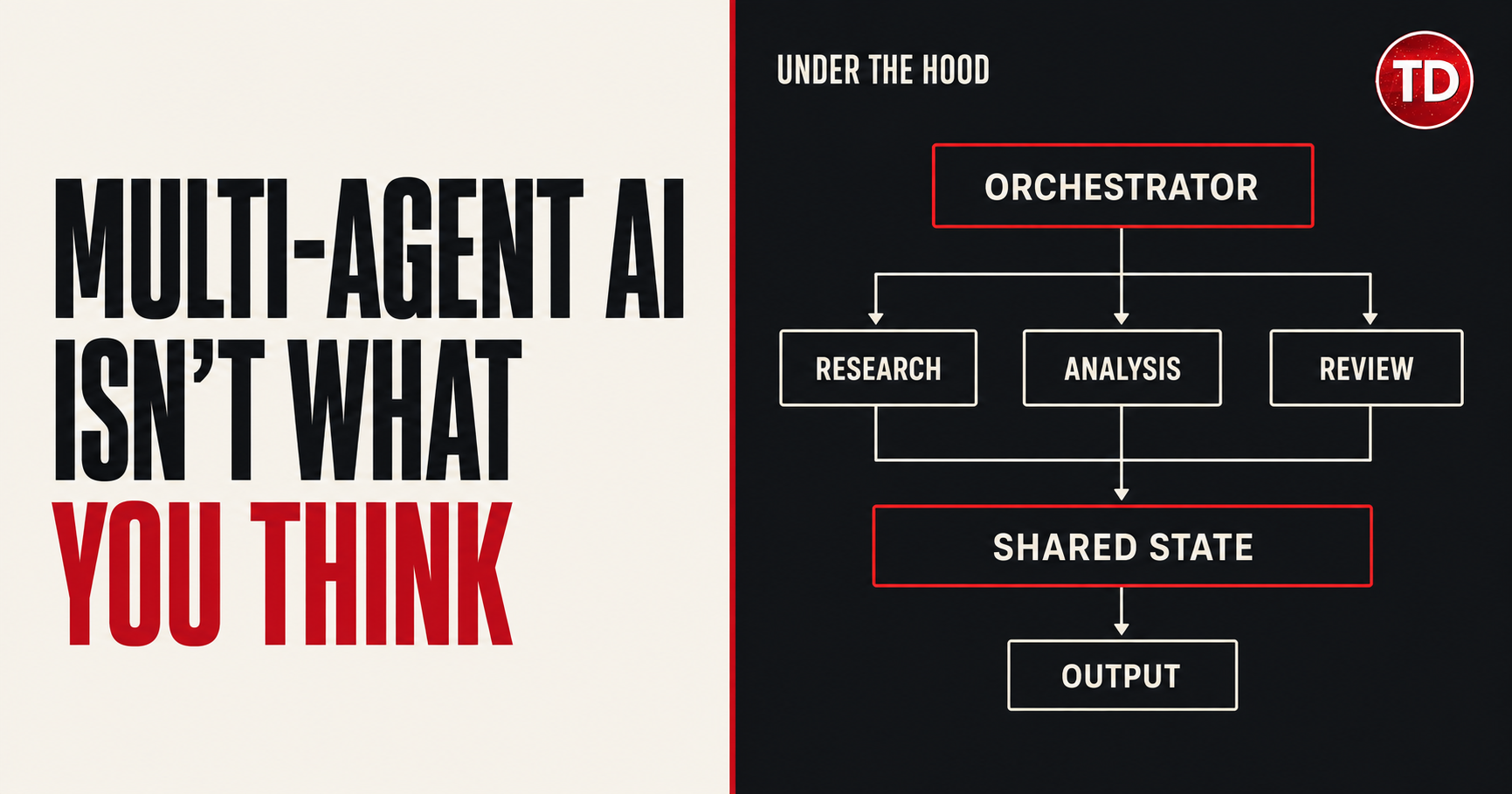
Multi-Agent AI Isn’t What You Think: Here’s What’s Really Happening Under the Hood What if I told you that a “team of AI agents” can sometimes be the same language model being called multiple times with different instructions? No digital employees sitting inside a virtual office. No group of AIs secretly gathering around a table to discuss your request. Behind the scenes, many multi-agent systems are built from something much more familiar: LLMs, tools, shared data, and software that decides who does what next. Once you understand that architecture, multi-agent AI becomes much less mysterious. So, What Is an AI [...]
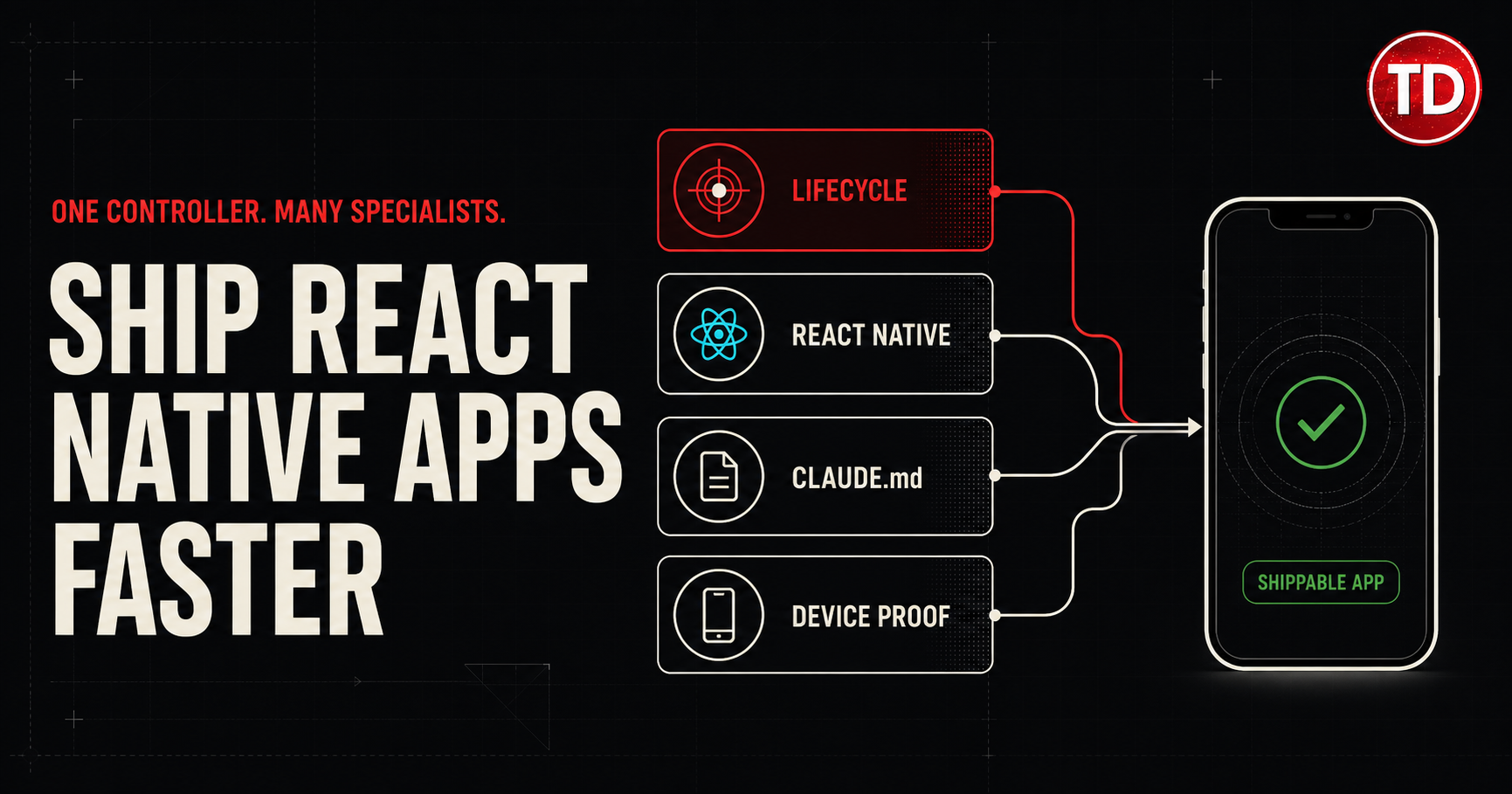
Ship React Native Apps Faster With Addy Osmani’s Agent Skills A practical Claude Code workflow that combines a disciplined delivery lifecycle, React Native expertise, project rules, and real-device proof—without making developers manage skills by hand. Vibe coding feels fast until the app stops compiling, a “finished” screen breaks on Android, or a feature drifts away from the original idea. The bottleneck is rarely code generation. It is the missing development loop around the code. Addy Osmani’s Agent Skills provide that loop: define, plan, build, test, review, and ship. It is not a React Native framework, and it should not try [...]
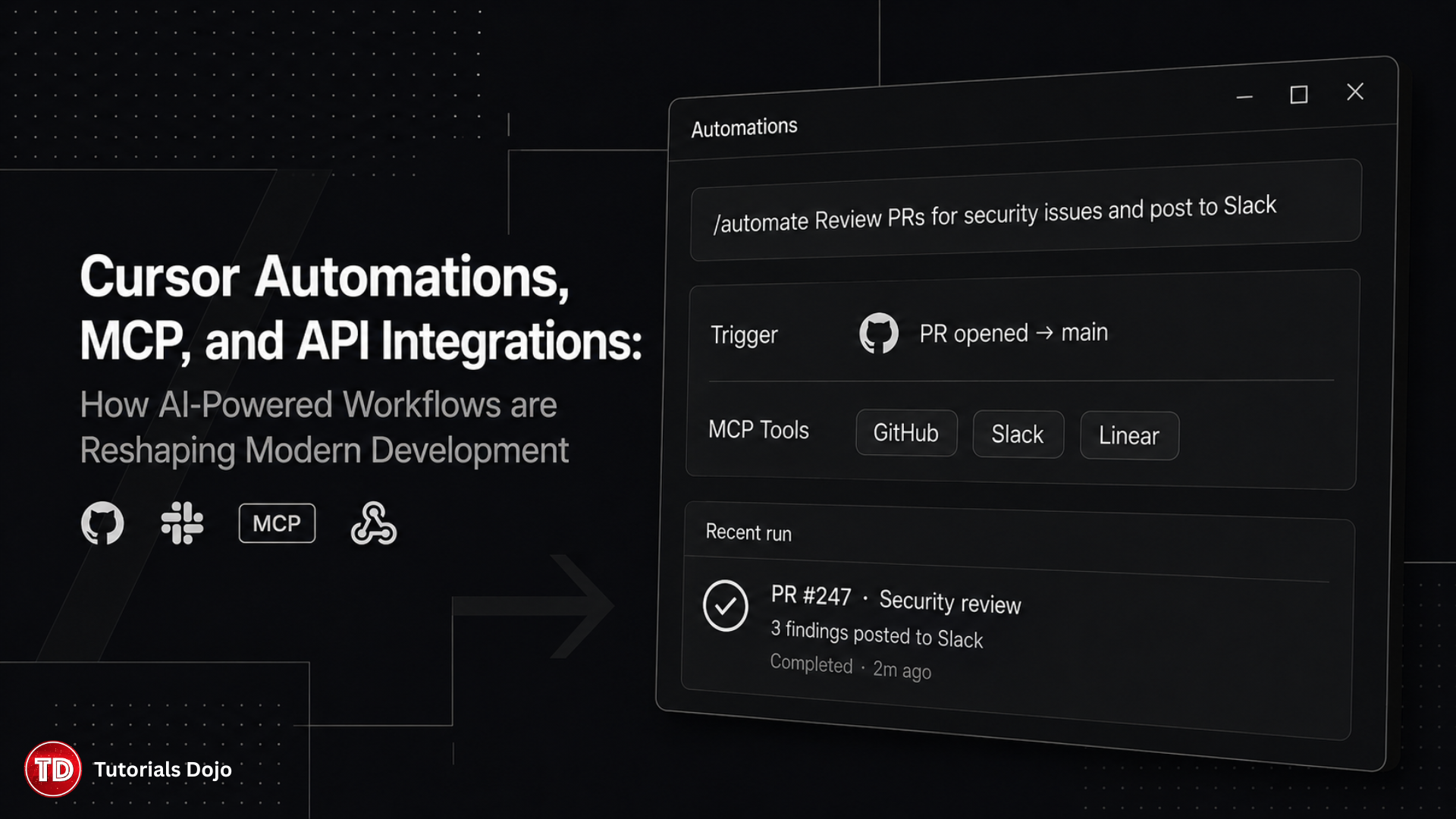
In late 2025, most developers were still using AI coding assistants as glorified autocomplete engines: press Tab, accept a suggestion, and move on. By mid-2026, the same tools are reviewing pull requests, triaging incidents from PagerDuty alerts, posting summaries to Slack, and assigning reviewers based on time zones, all without a human touching the keyboard. At the center of this transformation is Cursor, an AI-native IDE that has evolved far beyond a VS Code fork with an LLM bolted on. With the introduction of Cursor Automations, Background Agents, BugBot Autofix, and deep support for the Model Context Protocol (MCP), Cursor [...]
For the longest time, the standard advice for entering the technology industry was simple: learn to code. But as AI in software development becomes more common, knowing how to write code is no longer the whole story. At first it's like this: learn Python, JavaScript, Java, or another programming language. Practice writing programs. Build projects. Learn how to debug your mistakes. Eventually, those skills could become the foundation of a career in software development. Yet, technology has expanded far beyond the act of writing code. Developers today work in an environment shaped by cloud computing, automation, and other countless technologies. [...]
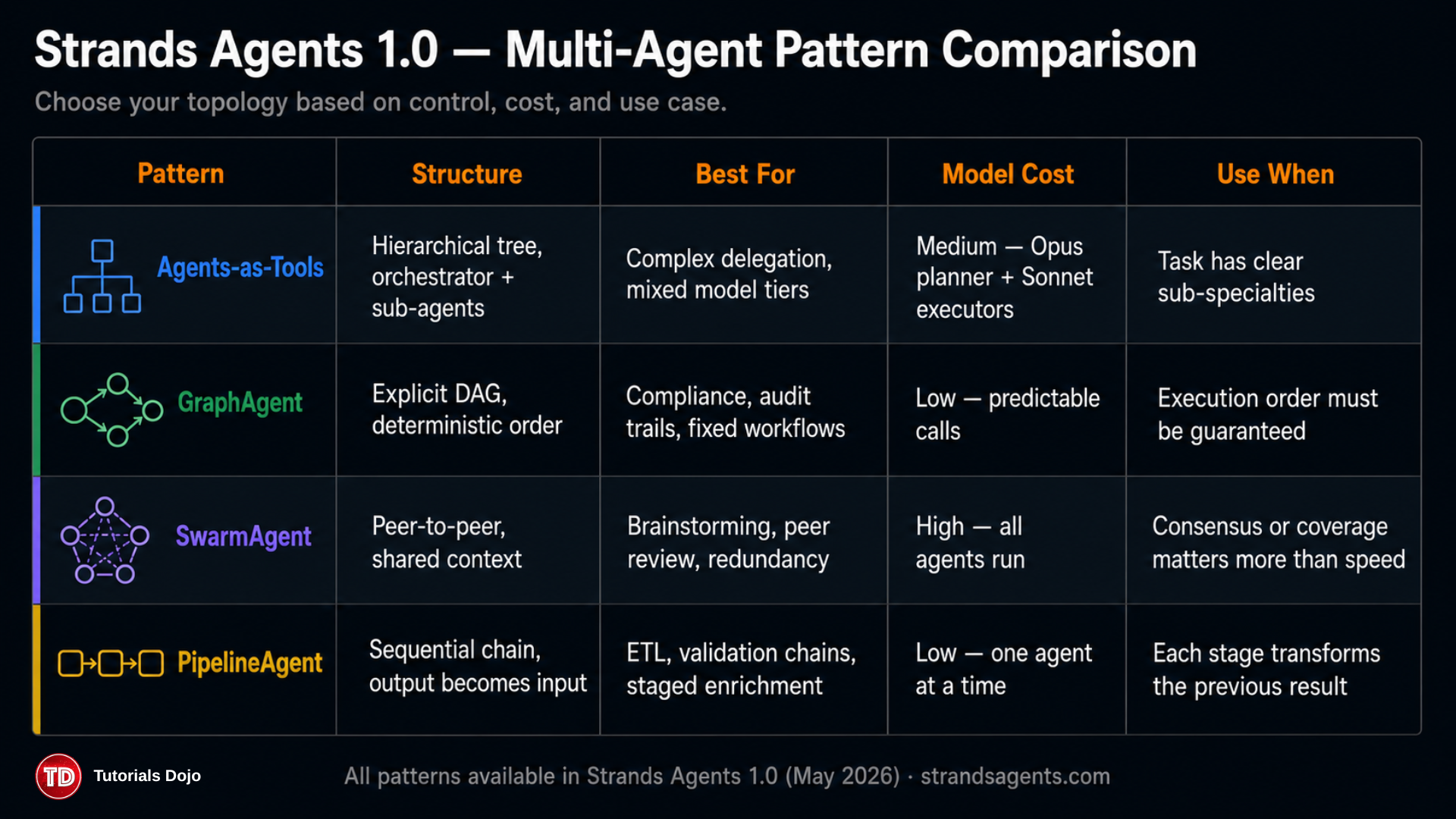
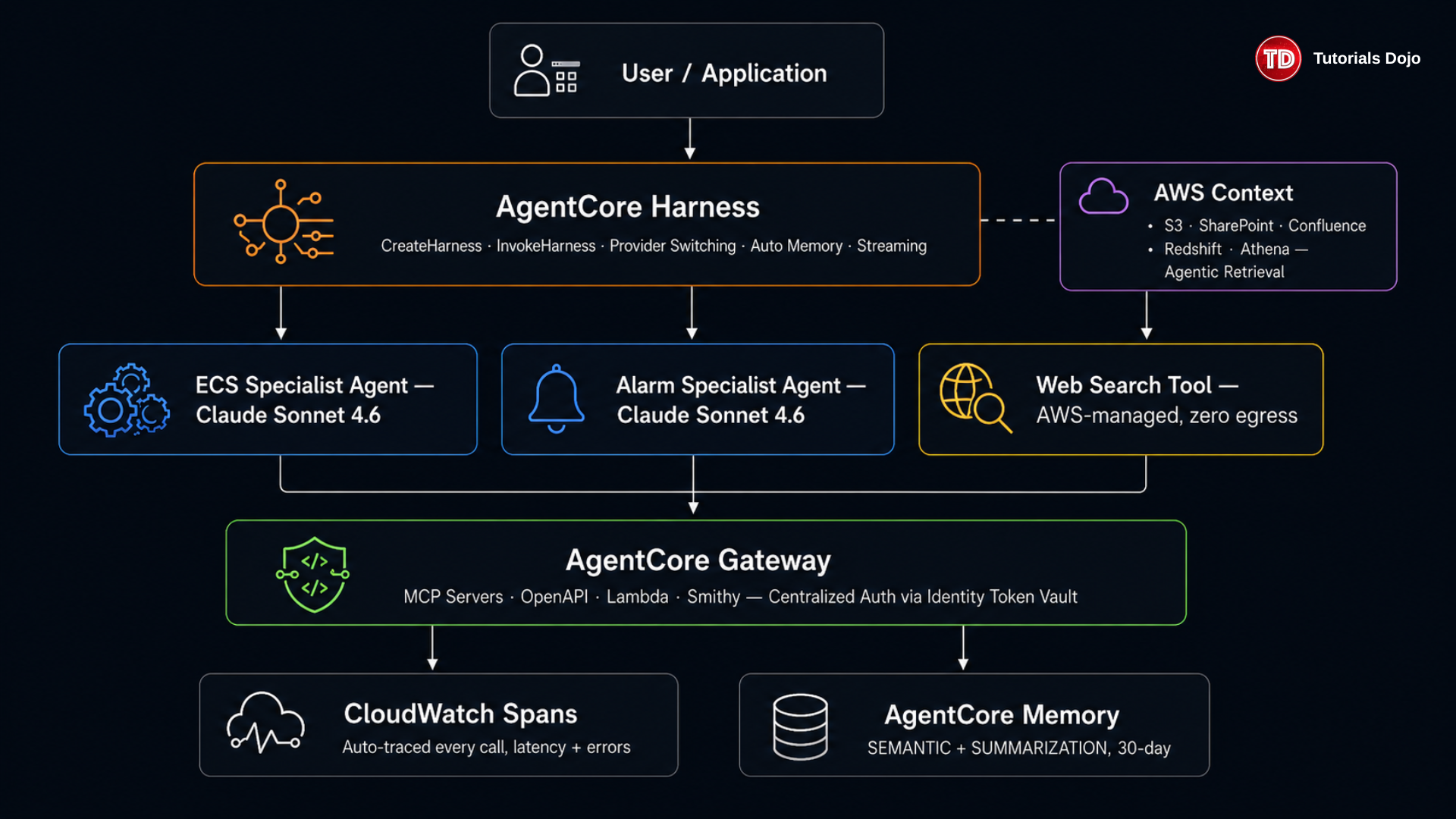
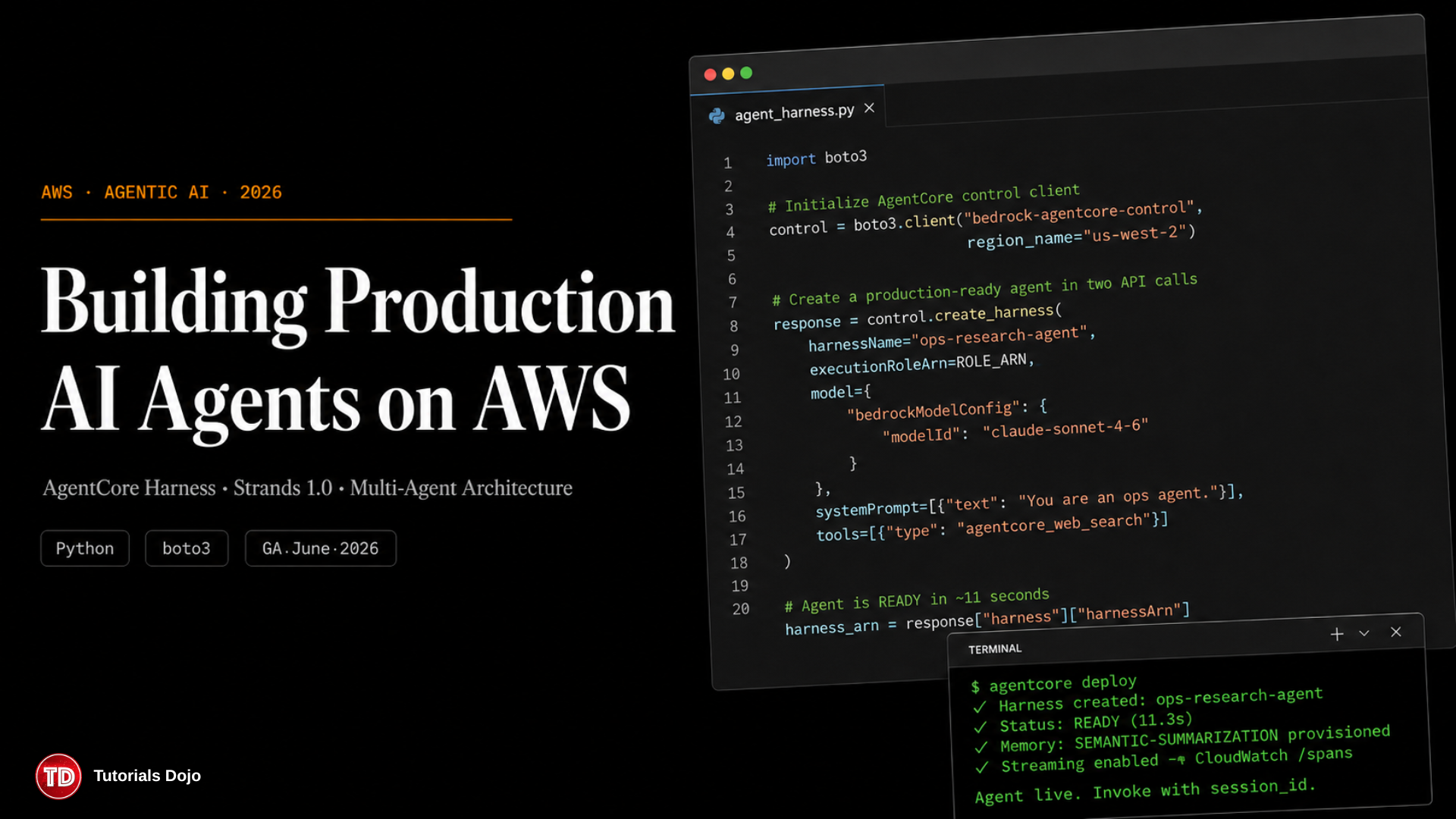
Six months ago, "AI agents on AWS" meant duct-taping together Amazon Bedrock, a Lambda function to handle tool routing, DynamoDB for session state, CloudWatch for tracing, and a LangGraph loop you prayed would recover from a network hiccup mid-reasoning. Every team was reinventing the same infrastructure. Every demo worked; most productions did not. That changed on June 17, 2026, at AWS Summit New York, where Dr. Swami Sivasubramanian (VP of Agentic AI) announced what AWS is calling the agentic infrastructure layer: Amazon Bedrock AgentCore Harness reaching general availability, the Strands Agents 1.0 SDK going production-grade with native multi-agent primitives, and [...]
Anthropic Academy has grown into one of the more substantial free AI learning resources available today, with 21 self paced courses covering everything from everyday Claude usage to building agents with the Model Context Protocol. Every course is free, requires only an email sign up, and is built directly by the team behind Claude rather than a third party reinterpreting the documentation. The challenge most learners run into is not access, since the catalog is open to anyone, but direction, since 21 course titles do not automatically translate into a plan. This guide breaks the catalog into four practical tracks [...]
AWS, Azure, and GCP Certifications are consistently among the top-paying IT certifications in the world, considering that most companies have now shifted to the cloud. Upskill and earn over $150,000 per year with an AWS, Azure, or GCP certification!
Follow us on LinkedIn, Facebook, or join our Slack study group. More importantly, answer as many practice exams as you can to help increase your chances of passing your certification exams on your first try!