Ends in
00
days
00
hrs
00
mins
00
secs
ENROLL NOW

🚀 30% OFF All Azure Reviewers

En

Home » Collections for Karen Pearl V. Pabilando

About Karen Pearl V. Pabilando

Karen Pearl V. Pabilando "En" is a fourth-year BS Information Technology student at National University - Manila, an IT intern at Tutorials Dojo, and a full-stack developer passionate about building meaningful digital solutions. Her work spans client projects, academic research, and active involvement in various tech communities, where she contributes to advancing innovation and knowledge-sharing in the field of technology. Learn more about her work at https://envember.com to explore her projects and connect with her for collaborations and inquiries.

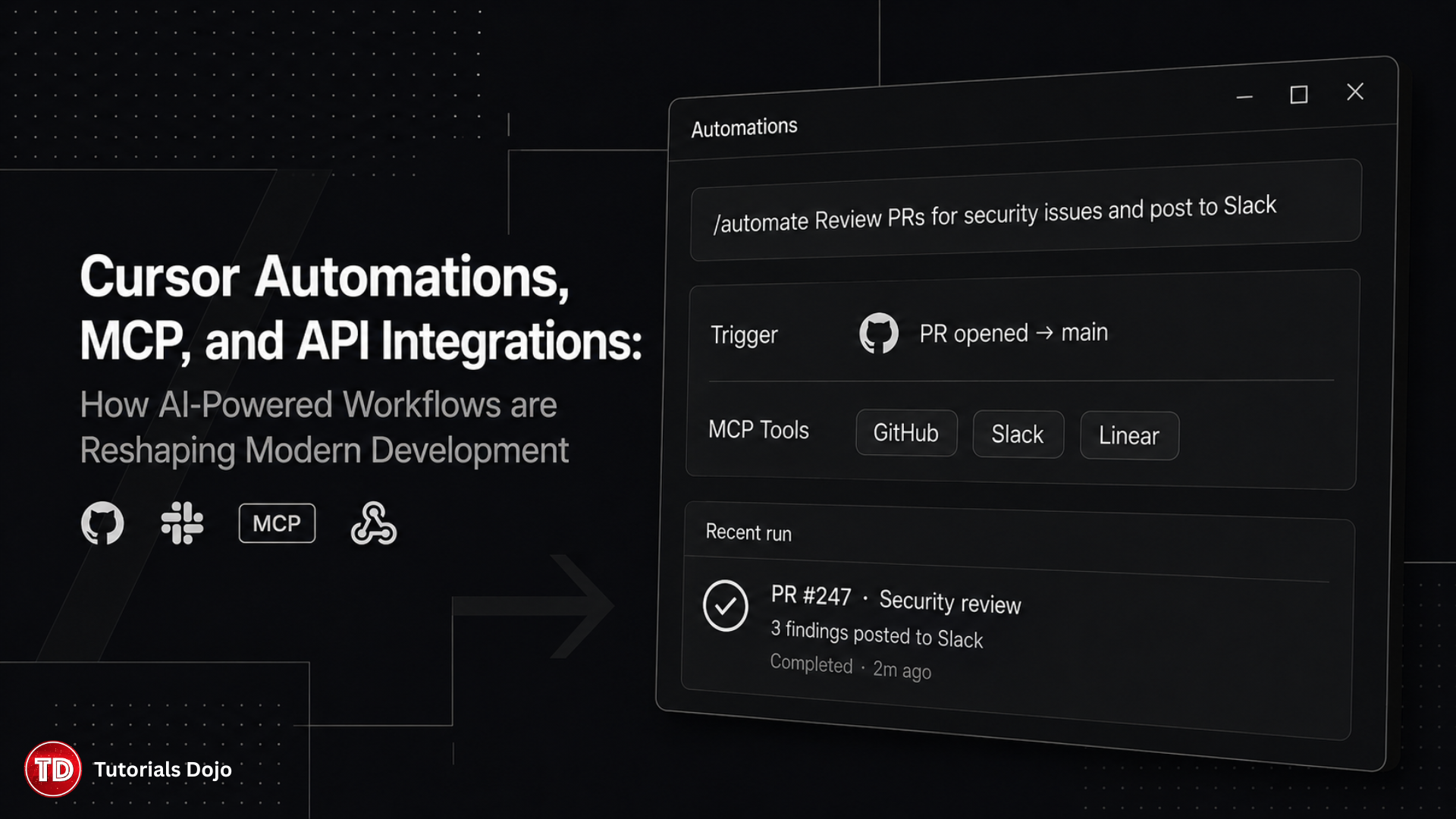
Cursor Automations, MCP, and API Integrations: How AI-Powered Workflows Are Reshaping Modern Development

2026-08-27T12:26:32+00:00

In late 2025, most developers were still using AI coding assistants as glorified autocomplete engines: press Tab, accept a suggestion, and move on. By mid-2026, the same tools are reviewing pull requests, triaging incidents from PagerDuty alerts, posting summaries to Slack, and assigning reviewers based on time zones, all without a human touching the keyboard. At the center of this transformation is Cursor, an AI-native IDE that has evolved far beyond a VS Code fork with an LLM bolted on. With the introduction of Cursor Automations, Background Agents, BugBot Autofix, and deep support for the Model Context Protocol (MCP), Cursor [...]
Cursor Automations, MCP, and API Integrations: How AI-Powered Workflows Are Reshaping Modern Development2026-08-27T12:26:32+00:00

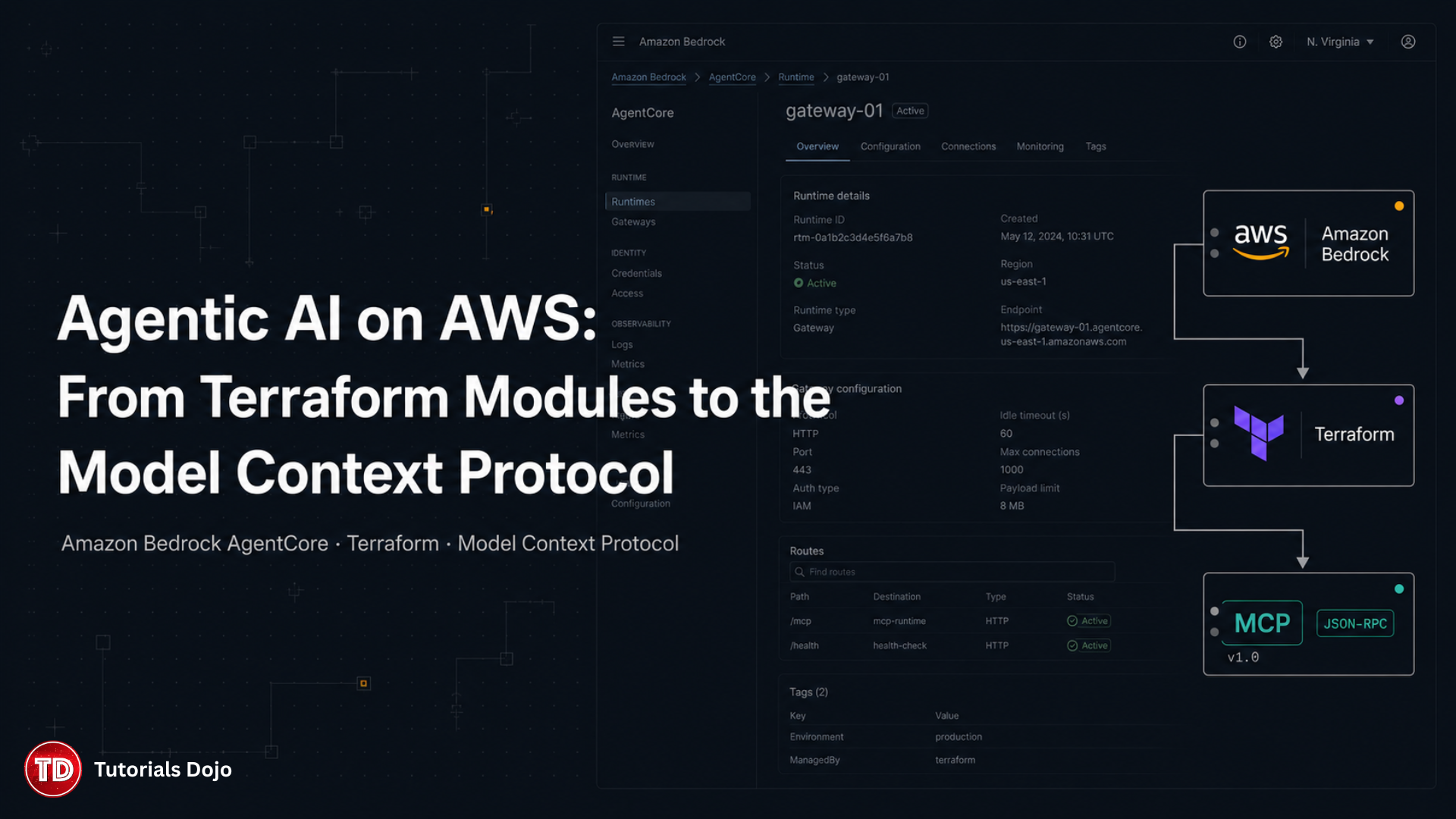
Agentic AI on AWS: From Terraform Modules to the Model Context Protocol

2026-08-28T14:26:33+00:00

Most teams deploying AI on AWS were still running the same playbook: take a foundation model, wire up a retrieval layer, wrap it in an API Gateway endpoint, and call it a chatbot. By mid-2026, the same teams are deploying autonomous agents that reason through multi-step workflows, authenticate against enterprise APIs, call tools they discover at runtime, delegate subtasks to other agents, and roll themselves back when their evaluation scores drop, all without a human touching the AWS Console. At the center of this shift is Amazon Bedrock AgentCore, a managed platform that treats AI agents as first-class infrastructure. Pair [...]

Agentic AI on AWS: From Terraform Modules to the Model Context Protocol2026-08-28T14:26:33+00:00

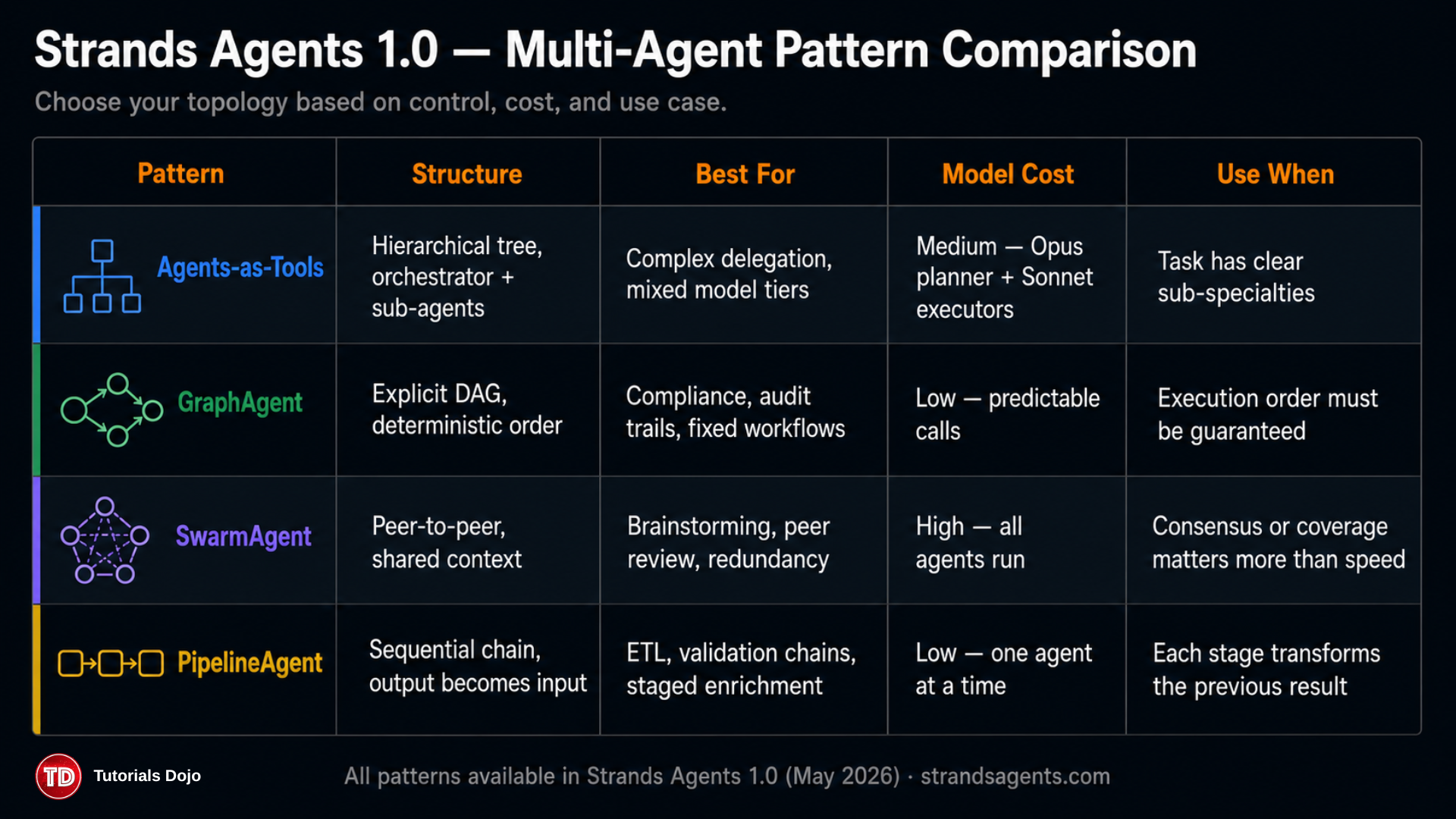
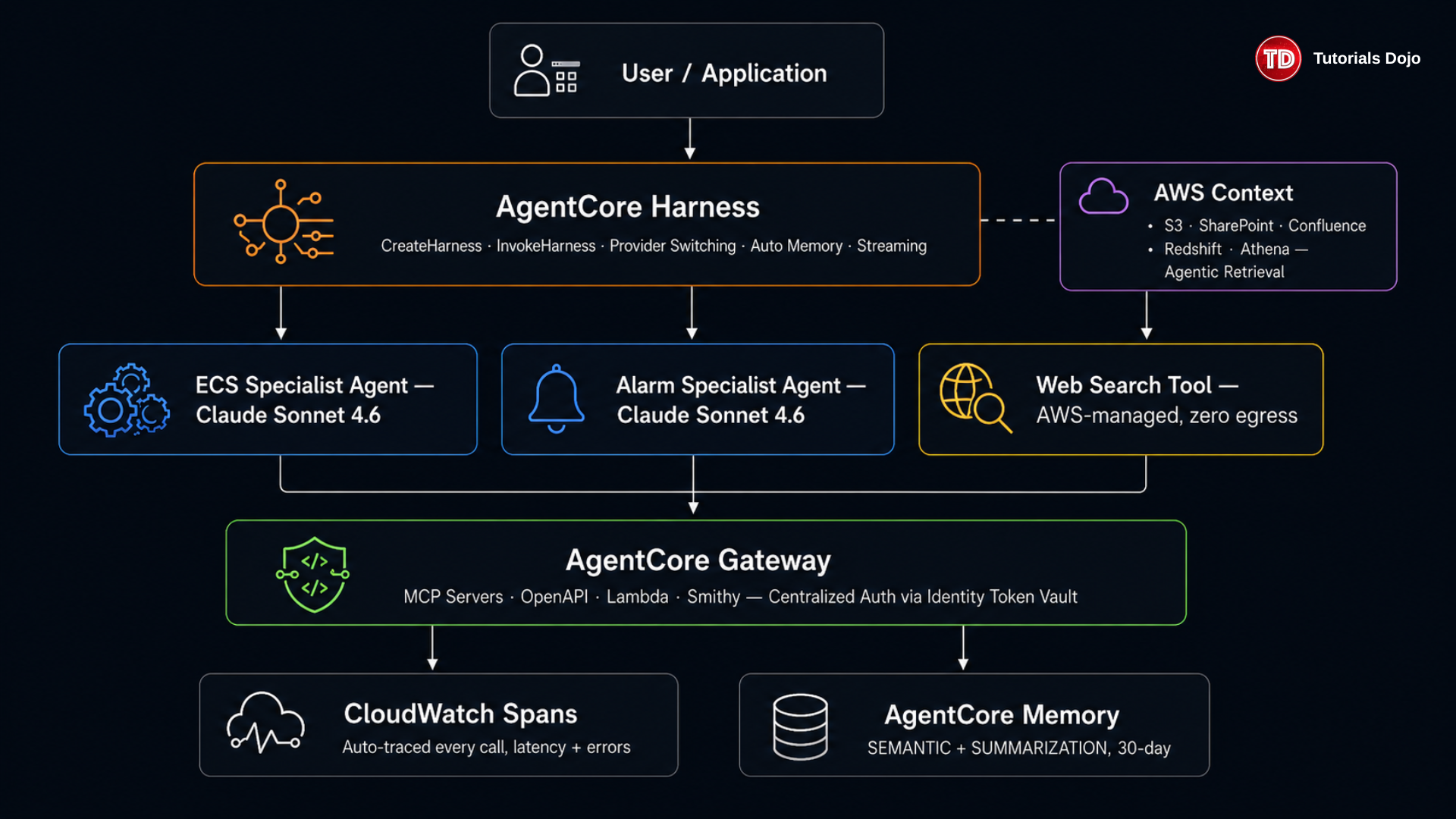
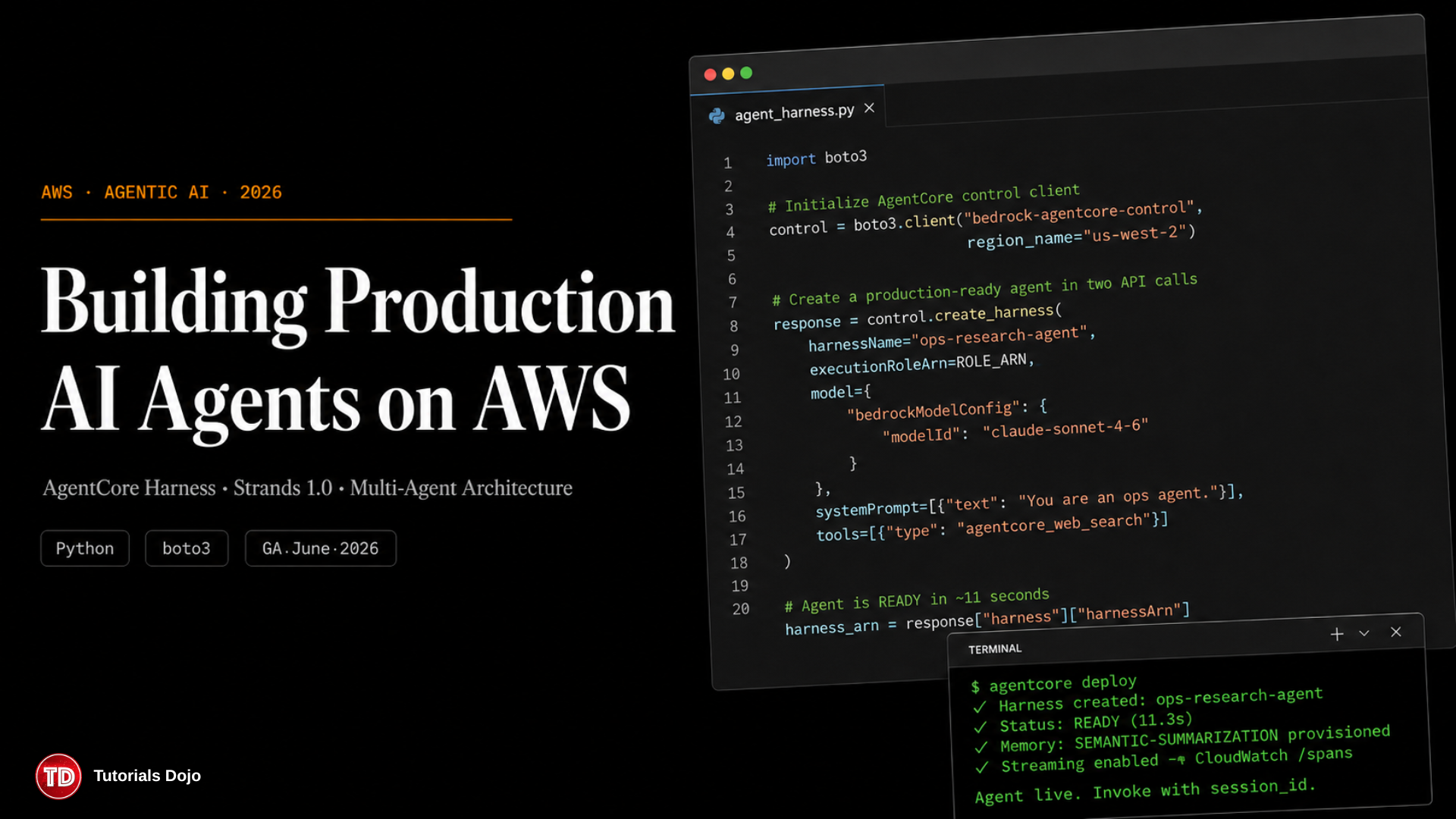
Building Production AI Agents on AWS: AgentCore Harness, Strands 1.0, and the Multi-Agent Architecture that Actually Ships

2026-08-06T16:10:24+00:00

Six months ago, "AI agents on AWS" meant duct-taping together Amazon Bedrock, a Lambda function to handle tool routing, DynamoDB for session state, CloudWatch for tracing, and a LangGraph loop you prayed would recover from a network hiccup mid-reasoning. Every team was reinventing the same infrastructure. Every demo worked; most productions did not. That changed on June 17, 2026, at AWS Summit New York, where Dr. Swami Sivasubramanian (VP of Agentic AI) announced what AWS is calling the agentic infrastructure layer: Amazon Bedrock AgentCore Harness reaching general availability, the Strands Agents 1.0 SDK going production-grade with native multi-agent primitives, and [...]

Building Production AI Agents on AWS: AgentCore Harness, Strands 1.0, and the Multi-Agent Architecture that Actually Ships2026-08-06T16:10:24+00:00

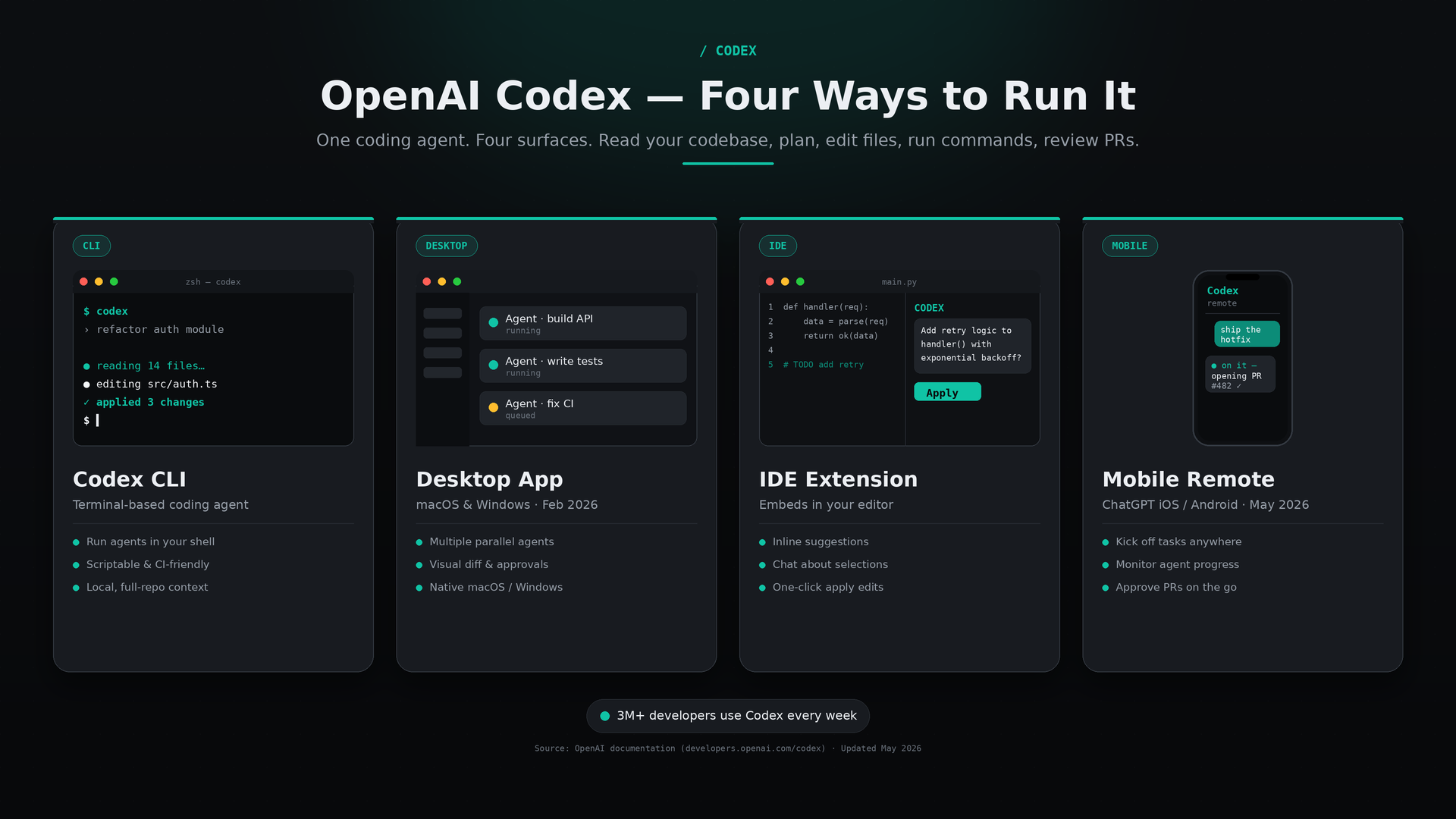
OpenAI Codex Cheat Sheet

2026-05-23T18:45:10+00:00

What Is OpenAI Codex? OpenAI Codex is an AI-powered coding agent built on top of OpenAI's frontier models. Originally launched as a code-completion API in 2021, Codex has evolved significantly, it is no longer a simple autocomplete tool. As of 2025–2026, Codex is a full software development agent that can read your codebase, plan changes, write and edit files, run commands, review pull requests, and now even operate your computer alongside you. Codex is used by over 3 million developers weekly and is available as: A CLI (Command Line Interface) — terminal-based coding agent A Desktop App — for macOS [...]

OpenAI Codex Cheat Sheet2026-05-23T18:45:10+00:00

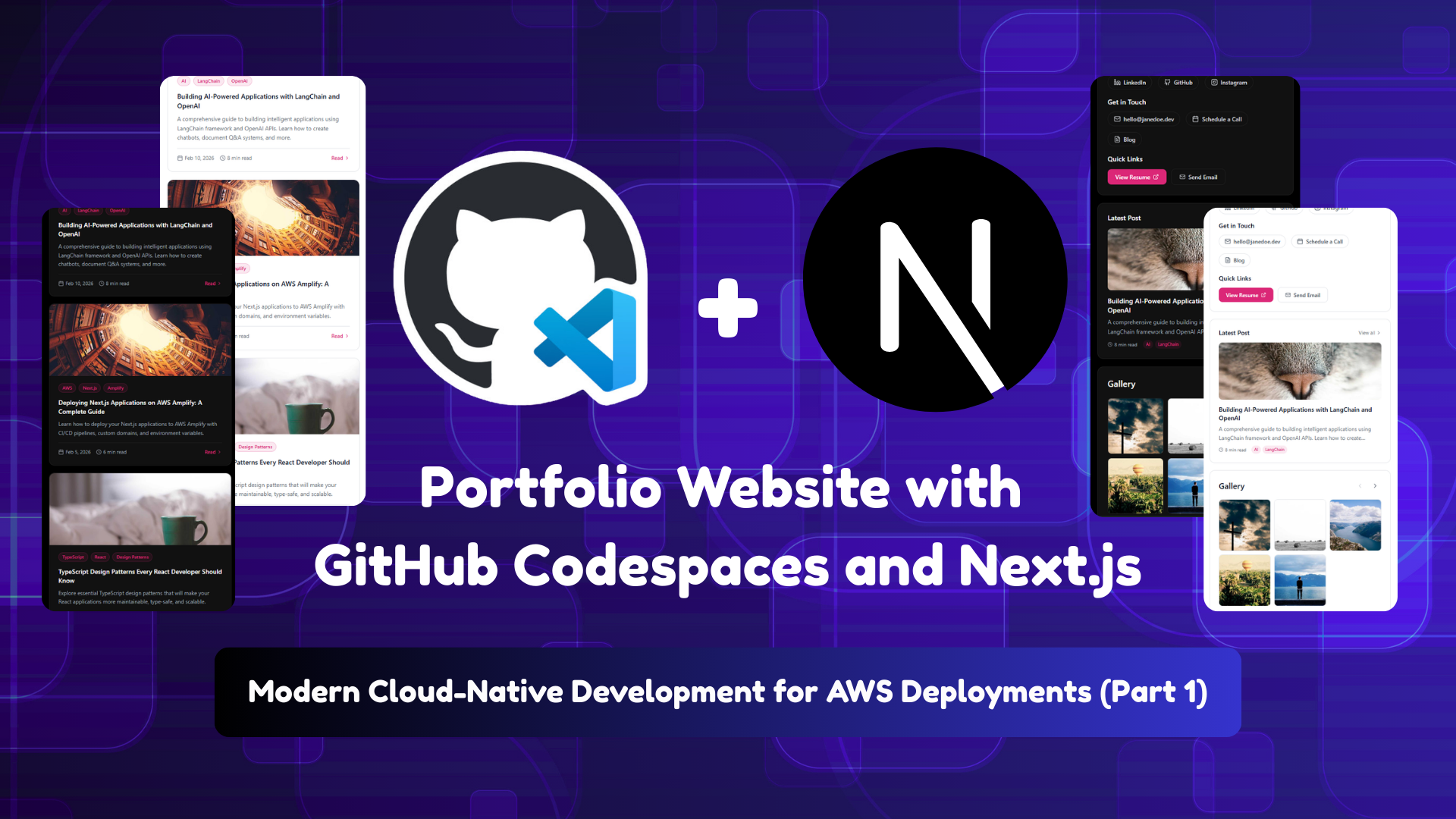
Portfolio Website with GitHub Codespaces and Next.js

2026-02-23T18:52:56+00:00

Modern Cloud-Native Development for AWS Deployments (Part 1) A few years ago, “setting up your dev environment” often meant losing half a day to installing Node versions, fixing PATH issues, fighting dependency conflicts, and hoping the project would run the same way on everyone’s machine. Today, cloud-native development is changing that workflow. Instead of treating your laptop as the only place you can build software, you can develop inside consistent, containerized environments that live in the cloud—accessible from any browser, anywhere. This is Part 1 of a 3-part series on Modern Cloud-Native Development for AWS Deployments, where we’ll build and [...]

Portfolio Website with GitHub Codespaces and Next.js2026-02-23T18:52:56+00:00

Kubernetes Development Workflow with GitHub Codespaces

2026-01-25T14:45:46+00:00

Setting up Kubernetes locally often becomes the most challenging part of learning it. Between installing Docker Desktop, configuring kubectl and Minikube, resolving version mismatches, and managing heavy resource usage, hours can be lost before a single workload is successfully deployed. There’s a better way to approach Kubernetes development without the overhead of local setup and maintenance. GitHub Codespaces provides a fully configured Kubernetes development environment that runs entirely in your browser. By removing local installations, dependency conflicts, and hardware constraints, it allows you to focus on understanding Kubernetes concepts and applying them in practice rather than troubleshooting your machine. In [...]

Kubernetes Development Workflow with GitHub Codespaces2026-01-25T14:45:46+00:00

AWS, Azure, and GCP Certifications are consistently among the top-paying IT certifications in the world, considering that most companies have now shifted to the cloud. Upskill and earn over $150,000 per year with an AWS, Azure, or GCP certification!

Follow us on LinkedIn, Facebook, or join our Slack study group. More importantly, answer as many practice exams as you can to help increase your chances of passing your certification exams on your first try!