AI Influencers: How Generative AI Is Quietly Taking Over Affiliate Marketing
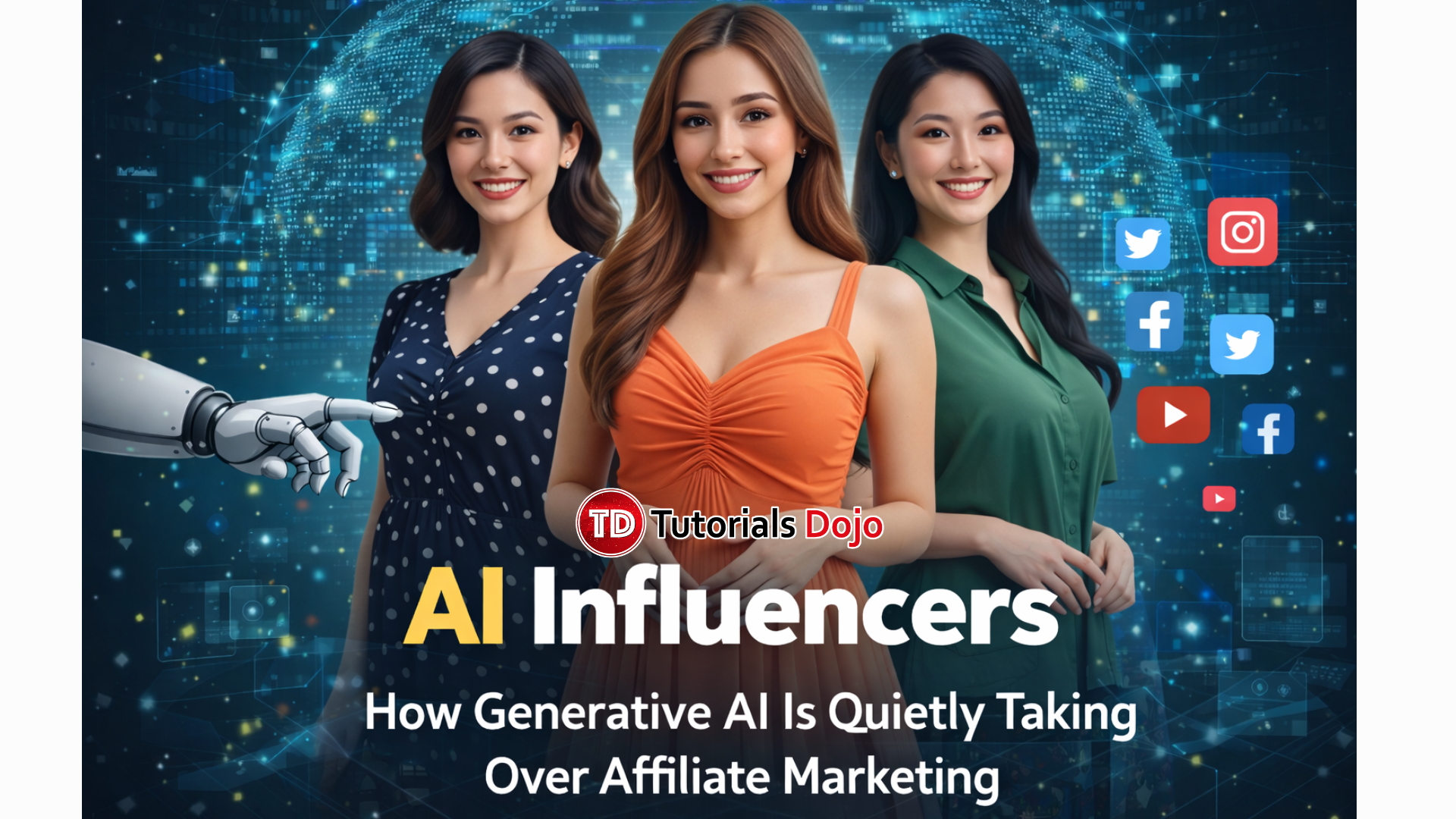
Franchesca Asignacion2026-03-12T15:38:24+00:00I was casually scrolling through TikTok and Shopee the other night when something caught my eye. A woman appeared on screen holding a product. She smiled, explained why it was amazing, and made it look effortless. Perfect lighting, flawless background, delivery smoother than butter. I shrugged. Normal influencer video, right? Then another video popped up. Different product. Different “influencer.” But wait… the vibe felt eerily familiar. The gestures, the expressions, the way she spoke—it was too perfect. And then it hit me: some of these presenters might not even be real people. Yep. AI-generated models are stepping into affiliate marketing. [...]