
Last updated on February 10, 2026
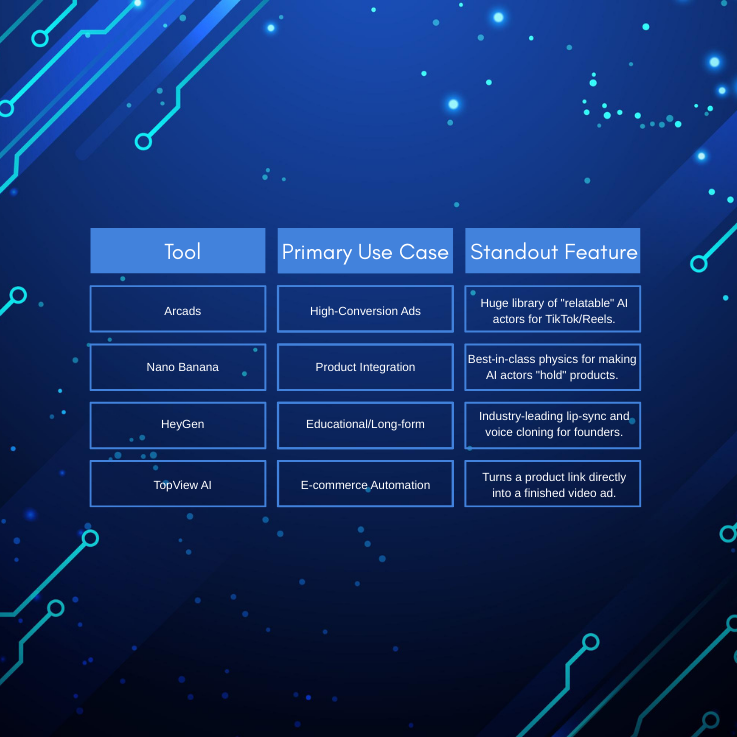
In the fast-paced world of digital marketing, User-Generated Content (UGC) has long been the gold standard for trust. Seeing a real person hold a product, test a texture, or share an unscripted testimonial triggers a psychological “social proof” that high-production studio ads simply cannot replicate. However, traditional UGC has always been a logistical nightmare: scouting reliable creators, shipping physical samples across borders, managing complex contracts, and praying the lighting and audio are right. Welcome to 2026. The logistics era is over. We have entered the age of Synthetic UGC. Synthetic UGC (or Virtual UGC) refers to short-form video content featuring AI-generated humans who look, move, and speak with 100% realism. Unlike the stiff, uncanny avatars of the early 2020s, today’s AI creators are indistinguishable from real influencers. They blink naturally, utilize “shaky cam” aesthetics for that raw smartphone feel, and are digitally programmed to hold specific products with perfect spatial awareness and physics. Zero Logistics: No shipping, no returns, and no lost packages in customs. Instant Iteration: Need an actor to say “50% off” instead of “Buy One Get One”? It takes seconds to re-generate the script, not a week-long re-shoot. Infinite Localization: A single “performance” can be instantly translated into 40+ languages with perfect lip-syncing, allowing for truly global Day 1 launches. To move beyond the “gimmick” phase and into driving actual ROI, modern marketing teams are adopting a standardized three-step workflow. Instead of hiring random influencers, brands are now “engineering” their ideal customer profiles. You can create a Character Bible featuring: The Relatable Student: For entry-level tech and fast fashion. The Busy Professional: For SaaS and productivity tools. The Fitness Enthusiast: For supplements and wellness. The Ownership Edge: Since these aren’t real people, your brand owns the likeness and the intellectual property forever. No more expiring usage rights. Using multimodal AI, brands upload 3-5 photos of their physical product. The AI creates a Digital Twin that can be inserted into the virtual actor’s hands. This ensures the product looks crisp and high-quality, even if the “creator’s” environment is a casual, messy bedroom intended to mimic authenticity. The biggest advantage of Virtual UGC is A/B testing at scale. Marketers can generate 10 different opening “hooks” (the vital first 3 seconds of a video) using the same actor and background to see which one stops the scroll most effectively before committing ad spend. If you are looking to build a synthetic content pipeline, these are the current industry leaders defining the landscape: As AI actors become indistinguishable from humans, the marketing industry faces a pivot point. In 2026, the “Authenticity Premium” is shifting. Transparency is the new trust. Platform algorithms now prioritize content that is honest about its origin. Surprisingly, using an “AI-Generated” watermark hasn’t hurt conversions; in fact, tech-savvy audiences often appreciate the honesty. The goal isn’t to trick the user into thinking the person is real, but to provide a demonstration that is visually engaging and informative. Pro-Tip: Use Synthetic UGC for “top-of-funnel” awareness and education, but keep real human stories for your “bottom-of-funnel” community building and deep, emotional testimonials. The multimedia industry is no longer limited by human schedules, physical borders, or shipping delays. Synthetic UGC allows brands to move at the speed of culture. If a trend starts at 9:00 AM, your AI-powered campaign can be live by lunch. The question for 2026 isn’t whether you will use AI creators, but how you will use them to tell a better story than your competitors.
What is Synthetic UGC?
Why Marketers are Migrating to AI Creators

The Strategic Framework: How to Implement Virtual UGC
1. Persona Mapping
2. Product Digital Twins
3. The “Hook” Laboratory
The 2026 Virtual UGC Tech Stack
The Elephant in the Room: Ethics and Authenticity
The Future is Rendered
References
🌸 25% OFF All Reviewers on our International Women’s Month Sale! Save 10% OFF All Subscriptions Plans & 5% OFF Store Credits/Gift Cards!

Learn AWS with our PlayCloud Hands-On Labs

$2.99 AWS and Azure Exam Study Guide eBooks

New AWS Generative AI Developer Professional Course AIP-C01

Learn GCP By Doing! Try Our GCP PlayCloud

Learn Azure with our Azure PlayCloud

FREE AI and AWS Digital Courses

FREE AWS, Azure, GCP Practice Test Samplers


Subscribe to our YouTube Channel

Follow Us On Linkedin


Written by: Daniel Gerodias