
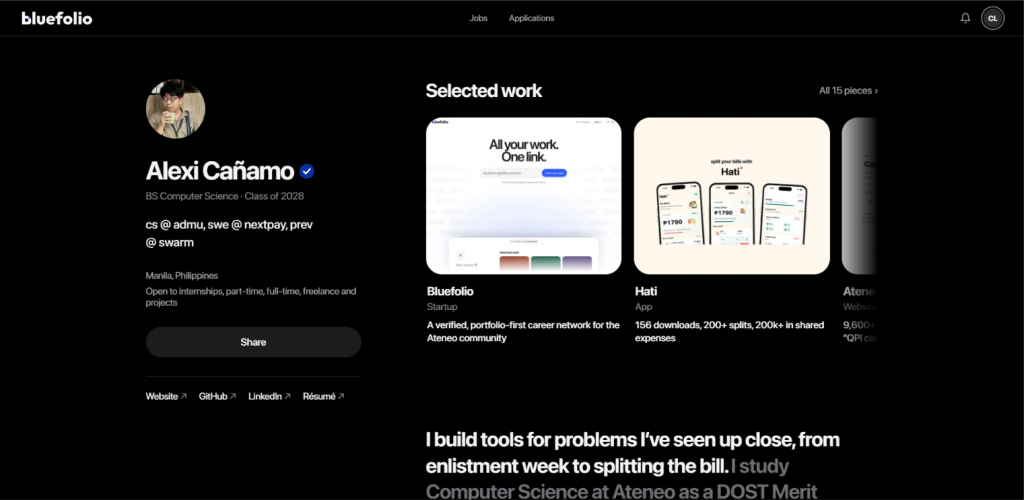
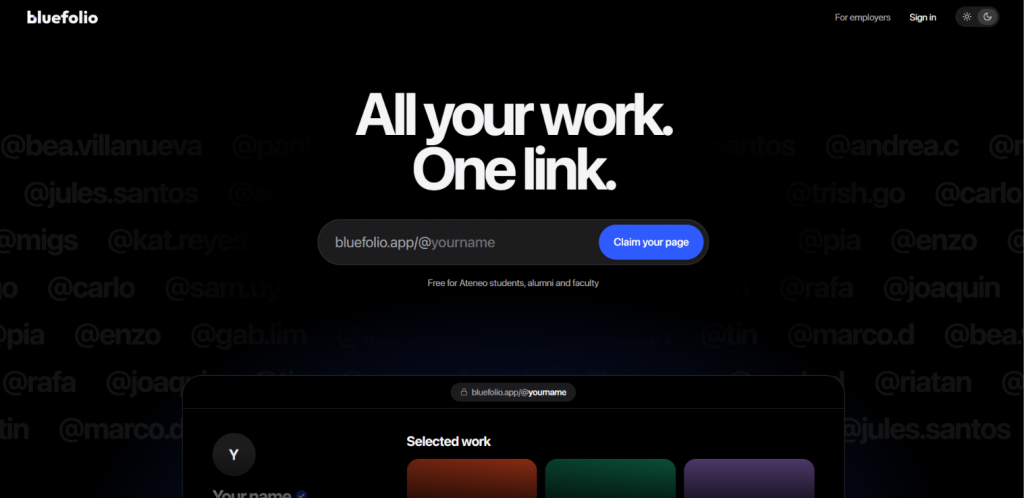
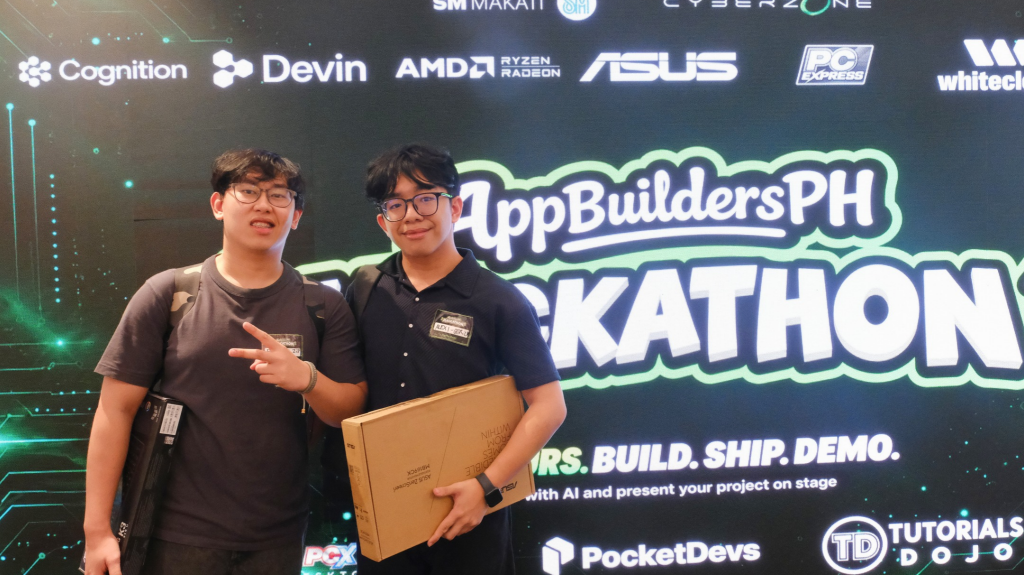
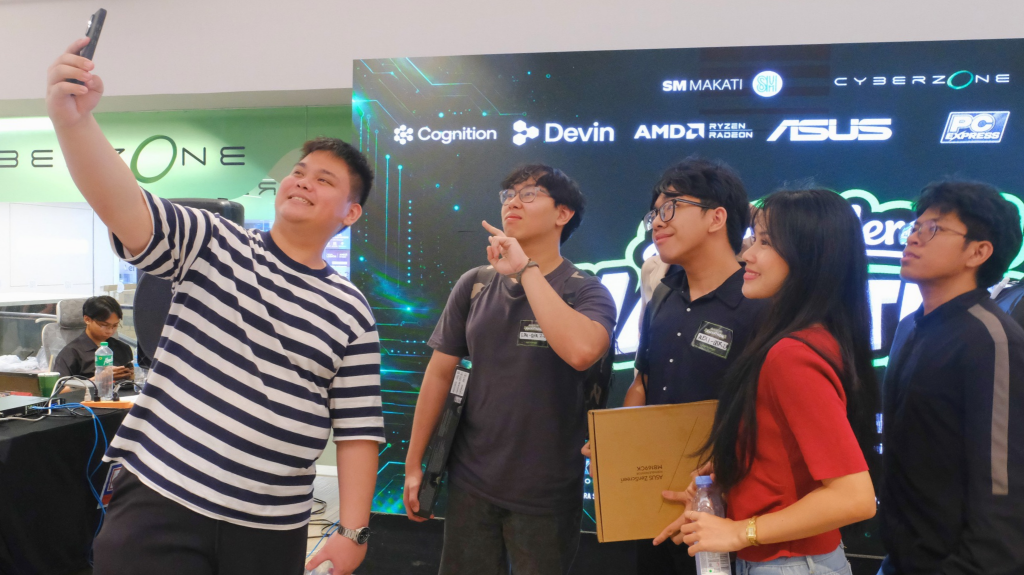
Some of a student’s most valuable work never makes it past the classroom, buried in project folders, forgotten essays, and experiences that a resume can only summarize. A research paper written after weeks of work. An organizational event brought to life through countless hours of planning. A personal project that began as a simple idea and grew into something worth sharing. These experiences may speak volumes about a student’s abilities, yet they can easily become footnotes on a resume or remain unseen altogether. For Ateneo de Manila University computer science student Alexi Cañamo, the problem presents an opportunity: what if students had a place to bring all that work together, without having to build a website of their own or combine all of their experiences in a piece of paper? Bluefolio answers that question, a portfolio and career platform designed to help students showcase their work and connect with potential employers. Rather than limiting students to a list of credentials, it gives them a space to present the projects, experiences, and accomplishments behind them. A resume tells employers where a student has been. A portfolio can show them what the student has actually done. The distinction matters, especially for students whose strengths are not always captured by conventional hiring documents. A management student may have organized an event, a humanities student may have produced a compelling body of written work, and a social sciences student may have conducted research worth sharing. Yet presenting these accomplishments online often requires the very skill that not everyone has—building a website. “Most people aren’t technical,” Cañamo explained in an interview. Some students want to create their own portfolios but do not know where to start, making the process a barrier before their work even reaches an audience. Bluefolio aims to remove that hurdle by providing a ready-made space where students can organize their work into a more accessible, presentable profile. Users can feature their projects, essays,professional experience, education, and organizational involvement—all in one place. The idea is not to replace the resume, but to give it something more to point toward—the work behind the qualifications. Bluefolio’s vision extends beyond helping students present themselves. It also seeks to bring their work closer to the people who might give it a next step. The platform includes a job board where employers can sign up, post openings intended for Ateneo students, hopefully across more universities, and explore student profiles. Students, in turn, are given more doors of opportunities where they can apply on the platform. For Cañamo, the idea was partly inspired by a project he encountered at the University of Waterloo, where students can access job opportunities specifically intended for their university community. The inspiration points to a broader possibility for Bluefolio, a student’s portfolio does not need to be a static collection of accomplishments. It could also become a starting point for professional connections. A well-presented project may help an employer understand a candidate’s skills beyond a list of technical competencies. An essay may reveal a student’s ability to communicate. An organizational experience may demonstrate initiative and collaboration. These are different kinds of work, but each can tell employers something a resume alone might not. Still, visibility is only the first step. Whether these connections lead to interviews, internships, or employment will depend on how students and employers use the platform as it grows. There is an interesting contrast at the heart of Bluefolio, a computer science student is building a tool for people who may have little experience with code. That choice reflects the platform’s intended audience. Although portfolios are often associated with developers and designers, Cañamo wants Bluefolio to serve students from other fields, including humanities, social sciences, and management. Their work may look different, but it deserves a place to be seen. The platform is also free for Ateneo students, according to Cañamo, lowering the financial barrier to creating a professional online presence. Instead of having to learn web development or start from scratch, students can focus on deciding what work they want to present and how they want others to understand it. The challenge is not simply building a platform that works, it is encouraging students to use it and convincing employers that the work they find there is worth exploring. At the time of the interview, Bluefolio had been live for about a week. Cañamo reported approximately 100 Ateneo student sign-ups, two employers on the platform, and six job listings. Some students had already submitted applications, although he could not yet confirm whether these had resulted in opportunities. For a newly launched platform, the figures offer an early glimpse of interest, not yet proof of long-term impact. Cañamo is currently developing the project on his own, while looking to attract more students and employers. For now, Bluefolio remains focused on the Ateneo community, with no definite expansion plans. That early stage is worth keeping in perspective. A platform can make it easier for students to showcase their work, but it cannot guarantee that every profile will be noticed or every application will succeed. Its usefulness will depend on the people who choose to participate and the opportunities that follow. Even so, Bluefolio begins with a problem many students can recognize—doing the work is one thing, but making sure the right people see it is another. And perhaps that is where its value lies, not in promising that a single link will change a student’s future, but in making it easier for that student to show what they are capable of. Bluefolio is one example of how student-built technology can begin with a familiar problem and grow into an attempt to solve it. During AppBuildersPH 2026 last October 10, Cañamo also demonstrated his work as a developer, earning second place and the AMD Award with another project called Gabay, a project under the team name qtr.zip. Gabay aims to help older adults and other users who are less familiar with technology navigate a Mac by showing them where to click next. Like Bluefolio, the project addresses a gap between what technology can offer and what people may need to use it effectively. The two projects approach different challenges, but both reflect a similar idea—technology becomes more useful when it considers the people who might otherwise struggle to access it. For the students whose work has yet to find its audience, Bluefolio offers one possible starting point. And for those who have something to build, Cañamo’s projects show how identifying a practical problem can be the beginning of something worth sharing. See the platform yourself. Explore bluefolio.app and experience how students can turn their projects, skills, and accomplishments into something employers can see beyond the resume. Meet the builder. Watch Builder Feature: Bluefolio on Facebook for a closer look at Alexi Cañamo and the stories behind Bluefolio.
More Than What Fits on One Page

Doors of Opportunities
Bridging Gaps
Step at a Time
Beyond the Screen

More to the Story
🌟 $2.99 AWS Associate eBooks and Up to 30% OFF All AWS Associate-Level Practice Exams & Video Courses

Turn Your Team Into Cloud-Ready Professionals Today

Learn AWS with our PlayCloud Hands-On Labs

$2.99 AWS and Azure Exam Study Guide eBooks

Learn GCP By Doing! Try Our GCP PlayCloud

Learn Azure with our Azure PlayCloud

FREE AI and AWS Digital Courses

FREE AWS, Azure, GCP Practice Test Samplers


Subscribe to our YouTube Channel

Follow Us On Linkedin

Written by: Carlo G. Mendoza