Ends in
00
days
00
hrs
00
mins
00
secs
ENROLL NOW

📚 eBook Sale - grab eBooks as LOW as $2.99 USD each ONLY!

Containerization

Home » Containerization

Getting Started in Tech and Cloud: A Beginner’s Practical Roadmap

2026-02-21T18:51:49+00:00

Starting a journey in tech and cloud computing often feels more intimidating than exciting. As soon as you begin researching, you encounter certifications, programming languages, cloud providers, DevOps tools, cybersecurity paths, and countless opinions about what you should learn first. Because of this overload, it can quickly feel like you are already behind. However, the real problem is not the complexity of technology. Instead, it is the lack of structure. Technology is broad, and cloud computing is built on top of traditional IT foundations. When you attempt to learn everything at once, the information becomes noise. What you truly need [...]
Getting Started in Tech and Cloud: A Beginner’s Practical Roadmap2026-02-21T18:51:49+00:00

Bring Your Own Container Made Easy: Introducing AWS ml-container-creator

2026-01-27T18:51:07+00:00

If you’ve ever struggled to package your ML model in a custom Docker image for SageMaker, the new ml-container-creator tool is here to help. This friendly open-source wizard guides you through building a SageMaker-compatible container without all the usual Docker headaches. It’s like having an assistant that writes your Dockerfile, server code, and config files for you, so you can focus on your model. What is BYOC on SageMaker? BYOC stands for Bring Your Own Container. In SageMaker, BYOC means you supply your own Docker image with everything needed to serve your ML model (the code, libraries, dependencies, etc.). AWS [...]

Bring Your Own Container Made Easy: Introducing AWS ml-container-creator2026-01-27T18:51:07+00:00

Kubernetes Development Workflow with GitHub Codespaces

2026-01-25T14:45:46+00:00

Setting up Kubernetes locally often becomes the most challenging part of learning it. Between installing Docker Desktop, configuring kubectl and Minikube, resolving version mismatches, and managing heavy resource usage, hours can be lost before a single workload is successfully deployed. There’s a better way to approach Kubernetes development without the overhead of local setup and maintenance. GitHub Codespaces provides a fully configured Kubernetes development environment that runs entirely in your browser. By removing local installations, dependency conflicts, and hardware constraints, it allows you to focus on understanding Kubernetes concepts and applying them in practice rather than troubleshooting your machine. In [...]

Kubernetes Development Workflow with GitHub Codespaces2026-01-25T14:45:46+00:00

Rise of Microservices in Modern Apps: From One Block to Many

2025-10-21T15:23:19+00:00

Have you ever thought about the pain of fixing just one small piece of a massive software system without accidentally breaking everything else? Honestly, most of the time, that is almost impossible. That challenge led to the rise of microservices in modern apps. It marked a shift from old monolithic architectures to smaller and independent services. This represents a significant architectural change. Developers moved away from huge, rigid monolithic setups and embraced smaller, independent systems. For a long time, developers built apps as a single block of code. This structure is known as monolithic architecture. It was fine when systems were [...]

Rise of Microservices in Modern Apps: From One Block to Many2025-10-21T15:23:19+00:00

Cloud Native: The Future of Application Development

2024-01-30T01:05:43+00:00

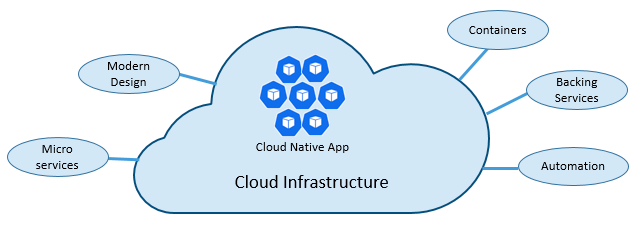
If you could do a quick search on the definition of cloud native, chances are you would be confused by the amount of different sources with varying definitions. The term "cloud native" has become a buzzword within the tech industry, symbolizing a paradigm shift in how software applications are designed, developed, and deployed. But what exactly does cloud native mean? The varying definitions of cloud native may be primarily because of its evolving definition over time. While some sources define cloud native as an approach where developers initially design applications to thrive in a cloud environment, others emphasize the utilization [...]

Cloud Native: The Future of Application Development2024-01-30T01:05:43+00:00

Introduction to Kubernetes

2023-10-16T05:25:03+00:00

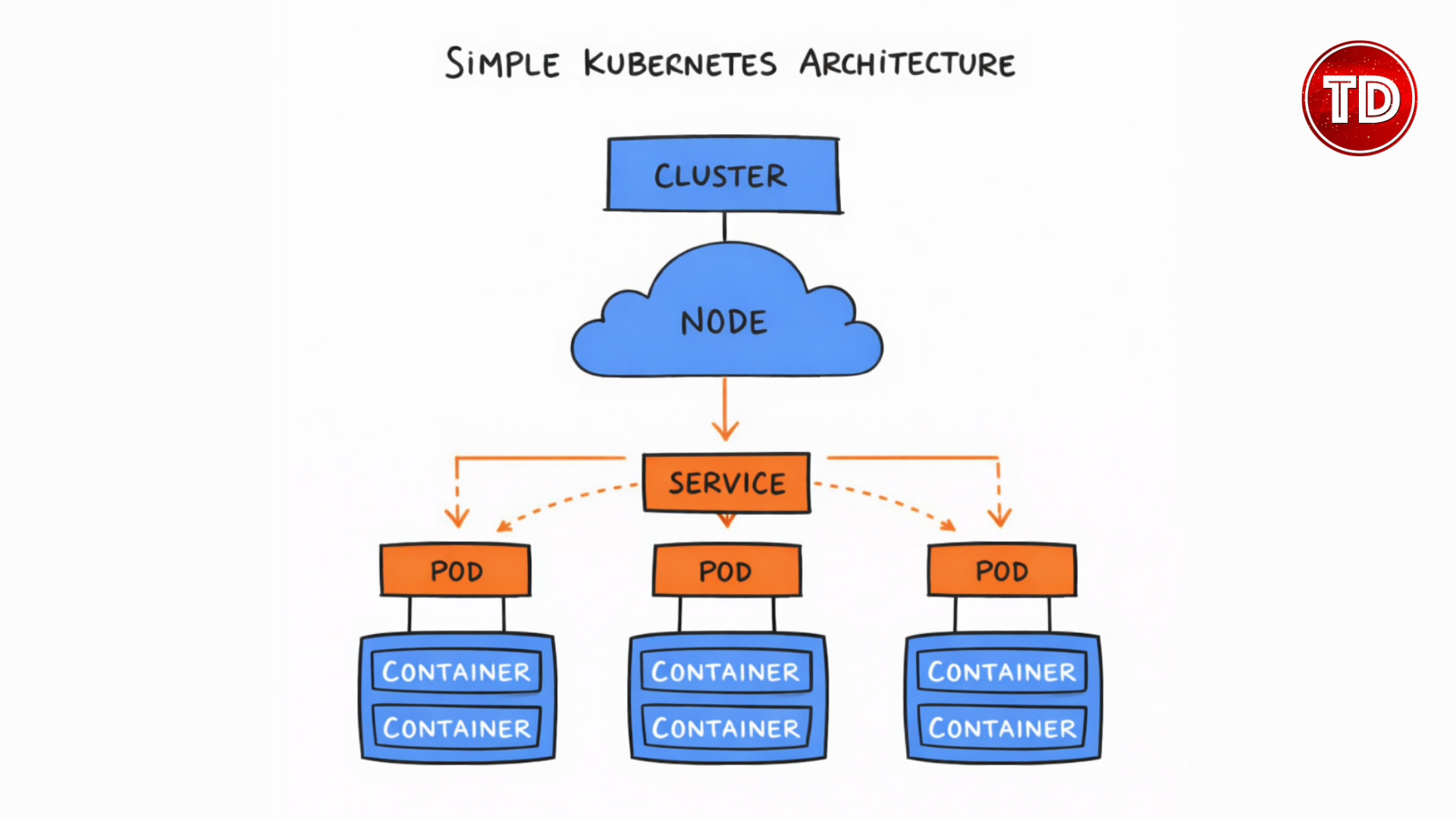
Containerization has set the gold standard for deploying applications on both on-premises and cloud environments. As microservices architecture becomes more popular, people increasingly embrace containerization because it naturally fits this architectural approach. Containerization brings many advantages: It guarantees portability. This technology's inherent isolation lets developers deploy their application code on various environments and operating systems without worrying about compatibility. It boosts scalability. Developers can deploy containers quickly and repeatedly. Unlike virtual machines, containers don't require booting up an entire operating system, letting developers scale up or down quickly by adding or removing containers on single or multiple machines. It enhances [...]

Introduction to Kubernetes2023-10-16T05:25:03+00:00

AWS, Azure, and GCP Certifications are consistently among the top-paying IT certifications in the world, considering that most companies have now shifted to the cloud. Upskill and earn over $150,000 per year with an AWS, Azure, or GCP certification!

Follow us on LinkedIn, Facebook, or join our Slack study group. More importantly, answer as many practice exams as you can to help increase your chances of passing your certification exams on your first try!