Build a Cozy AI Study Workspace with Next.js and Groq
Joshua Emmanuel Santiago2026-10-09T06:36:56+00:00

Have you ever wanted to build a completely custom AI Architecture Generator, but got stuck trying to force a language model to output perfectly valid diagram syntax? Downloading a standard flowchart library is rarely plug-and-play. You wire up the code, run it, and immediately hit walls, from struggling to prevent the AI from hallucinating Markdown wrappers to fighting stubborn canvas elements where text overlaps and ruins your sequence diagrams. In this beginner-friendly tutorial, we will walk through how to build "Capsule," a production-ready, gamified AI Architecture Generator. Users simply type a prompt, and the application streams back a fully rendered, [...]
The Spark of a Revolution It started as most revolutions do, with a simple idea: what if your computer could just do things for you? Not in the old-school set-a-reminder-on-your-phone kind of way. But really do things. Write code, browse the web, manage files, learn new skills, and keep working even while you sleep. That idea became OpenClaw, and the internet absolutely lost its mind over it. Giving an AI agent the keys to your computer, your files, and your network is a little like handing a very enthusiastic intern a master keycard on their first day. Tremendous potential. Also, [...]
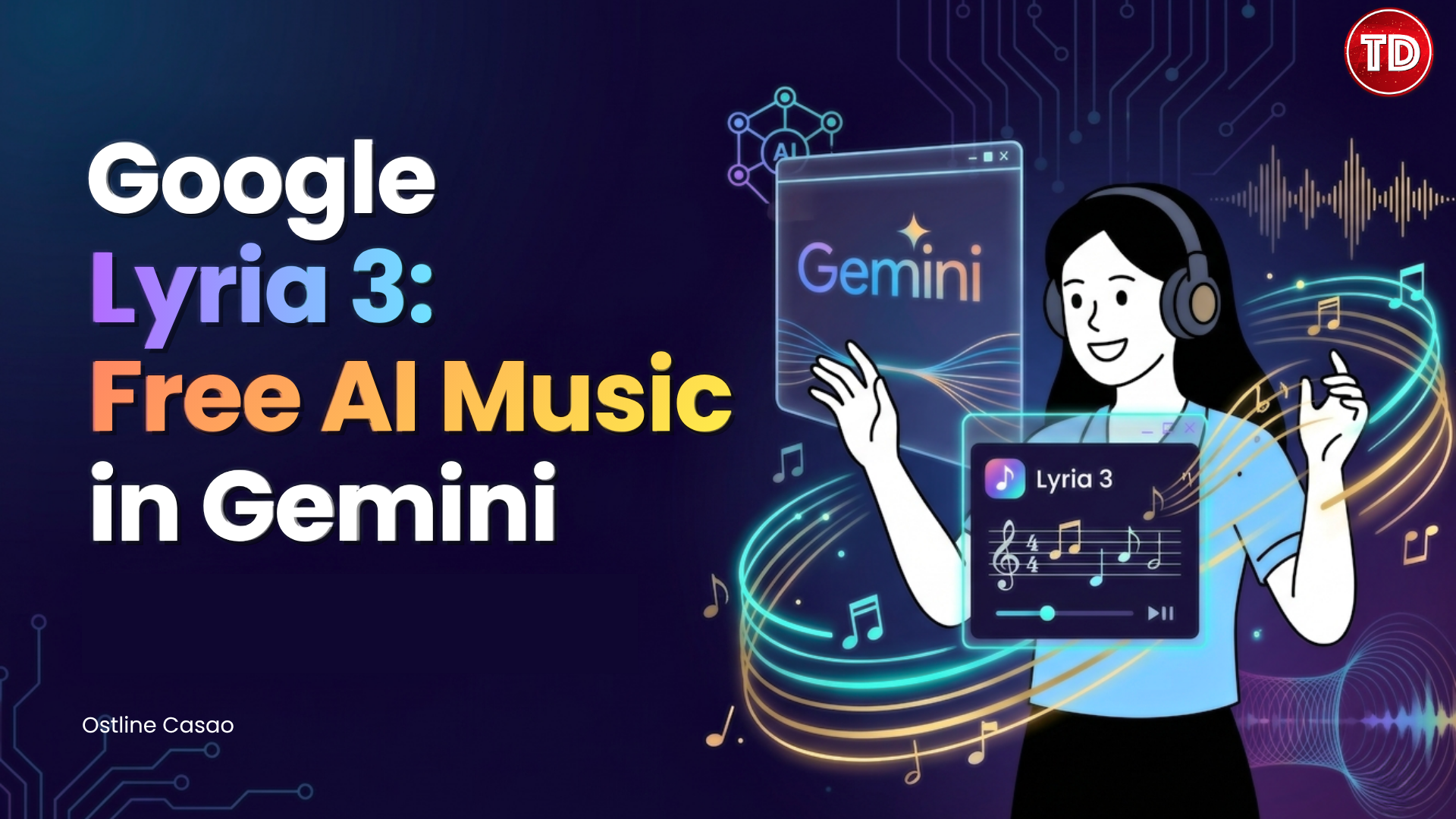
Google quietly rolled out Lyria 3 inside Gemini, and it lets anyone generate 30-second music tracks from a text prompt, complete with vocals, lyrics, and instrumentals. It's free, it's surprisingly good, and most people don't even know it's there. I spent an afternoon messing around with it. Here's how it works and where it starts to fall apart. What Is Lyria 3? Lyria 3 is Google DeepMind's music generation model. It lives inside the Gemini app. You don't need to download anything extra or visit a separate site. Just open Gemini and ask it to make a track. Here's what [...]
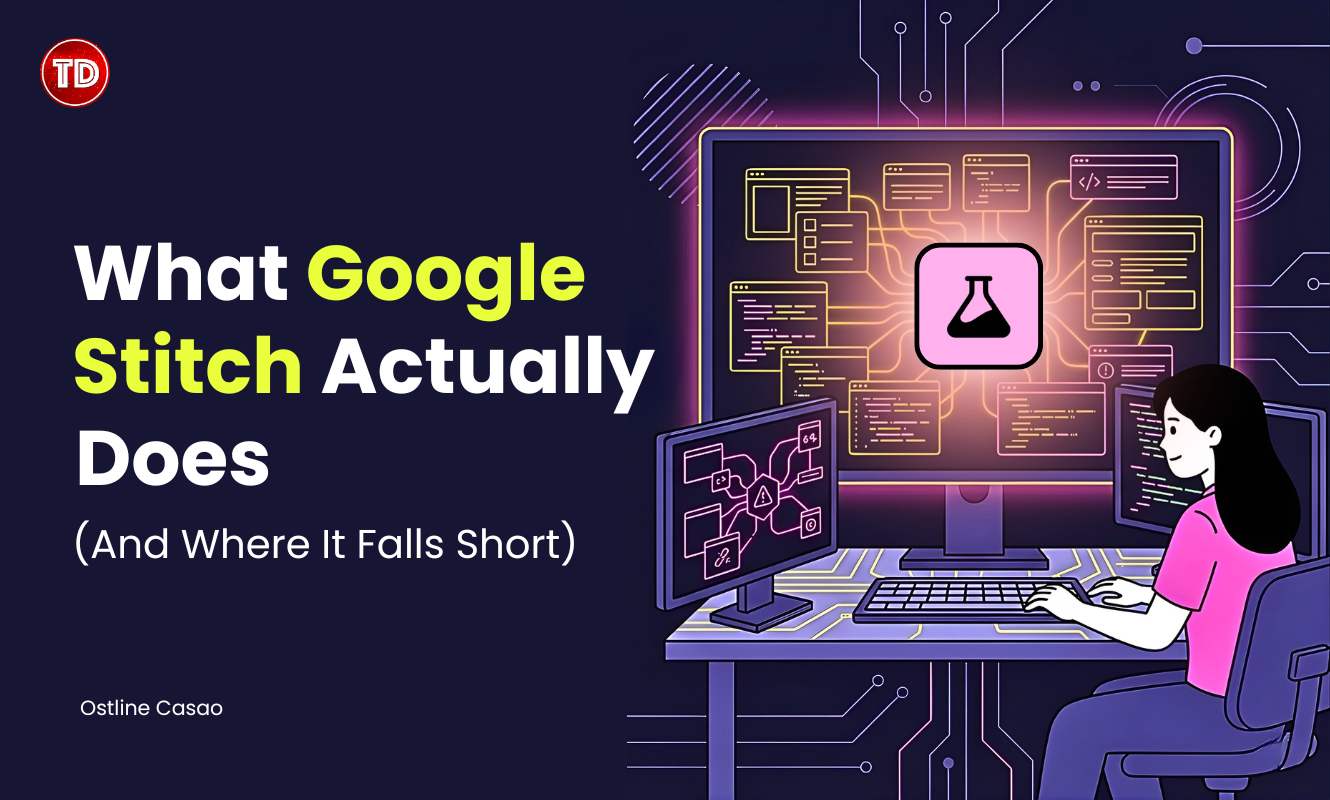
If you've tried Lovable, v0, or Bolt.new, you already know the pattern: describe what you want, get a working app back. Now there's a new tool in that same space — Google Stitch. Google Stitch is different. It's an AI tool built specifically for UI design, not app generation. It focuses on what your product looks like, how the screens connect, and how users move through them. It also exports to Figma with the layer structure intact, which is the part I actually care about. I do a lot of Figma work, and there are times when I sit down [...]
I’ve tried no-code builders like Bolt.new, Lovable, and v0. They’re all good, and they all share the same problem: spend enough time with them, and you start recognizing the output. Same card layouts, same hero sections, same vibe that says “an AI made this.” Claude Code is the first tool that actually broke that pattern for me, partly because of how it’s built and partly because of where it lives. It doesn’t pull you into its own environment. It just shows up in your IDE and works with what you already have. That alone made me want to document how [...]
Judge the state of AI by X or Hacker News in early 2026, and you’d think it’s all visual. The feed is full of “Nano Banana” image-generation experiments and breathless coverage of Seedance 2.0, a video model that finally pushed time coherence past the one-minute mark. Meanwhile, audio AI quietly took an interesting turn. The part of the stack dealing with Speech-to-Text (STT), Text-to-Speech (TTS), and dialog-based voice agents has largely broken free from the scaling logic that drives everything else. Video generation still requires centralized GPU farms and nine-figure compute budgets. Audio doesn’t, and that gap is widening. [...]
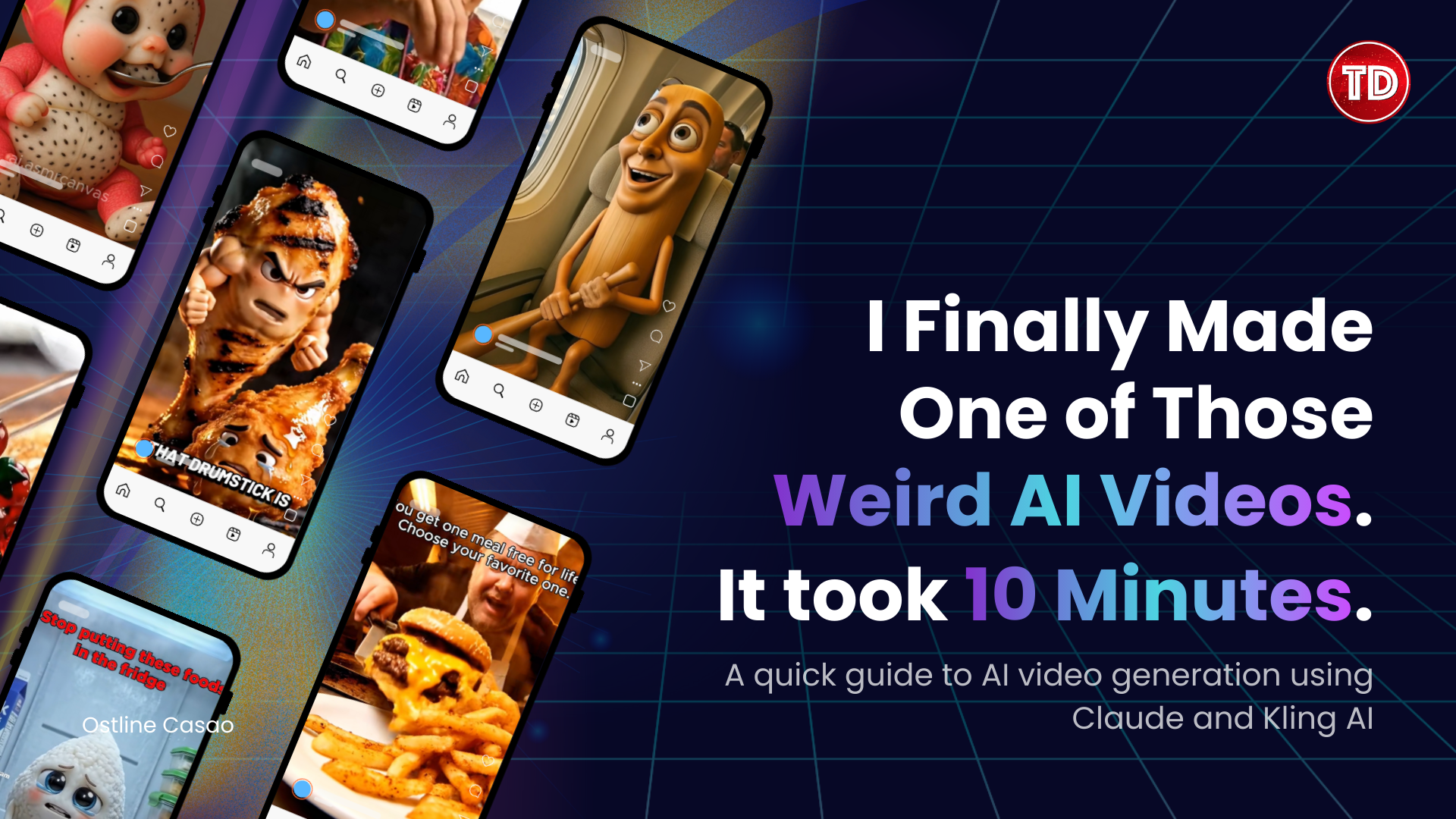
You've seen them. Those weird AI videos where someone is cutting colorful glass cubes and the pieces fall in the most satisfying way possible. Or dark chocolate is telling white chocolate that he's not even real cocoa. Next thing you know, you've watched it five times and your friend is asking why you sent them a video of crying chocolate at 2am. These videos are everywhere right now, and they're surprisingly easy to make. The workflow is simple: use Claude to write your script, then use Kling AI to turn it into an animated video. That's basically it! This guide [...]
Looking back on the past year of 2025 coding with the help of artificial intelligence, we can safely say that it was the year of agents, especially pioneered by Anthropic with Claude Code. AI products have matured to offer highly reliable agents that can understand, navigate, and work seamlessly on large codebases. It is the end of the old ways: of manually copying and pasting code into web AI applications. Agents are now actually part of the codebase, navigating around like a real developer. And they can now be left with long-running tasks on their own,opening and working on [...]
Amazon Q is often introduced as AWS's generative AI assistant, but that description doesn't really explain why it exists or how it behaves once you start using it. If you treat Amazon Q like a general chatbot, it can feel restrictive or underwhelming. If you treat it as an AWS-native system designed around identity, permissions, and retrieval, it becomes much easier to understand. And much more useful. I've spent a lot of time working with Amazon Q while creating video content for Tutorials Dojo courses, and most of what I'll share here comes from that hands-on experience. My goal is [...]
AWS, Azure, and GCP Certifications are consistently among the top-paying IT certifications in the world, considering that most companies have now shifted to the cloud. Upskill and earn over $150,000 per year with an AWS, Azure, or GCP certification!
Follow us on LinkedIn, Facebook, or join our Slack study group. More importantly, answer as many practice exams as you can to help increase your chances of passing your certification exams on your first try!